240 Terrorists Captured in Anti-Terror Operation Across 43 Provinces
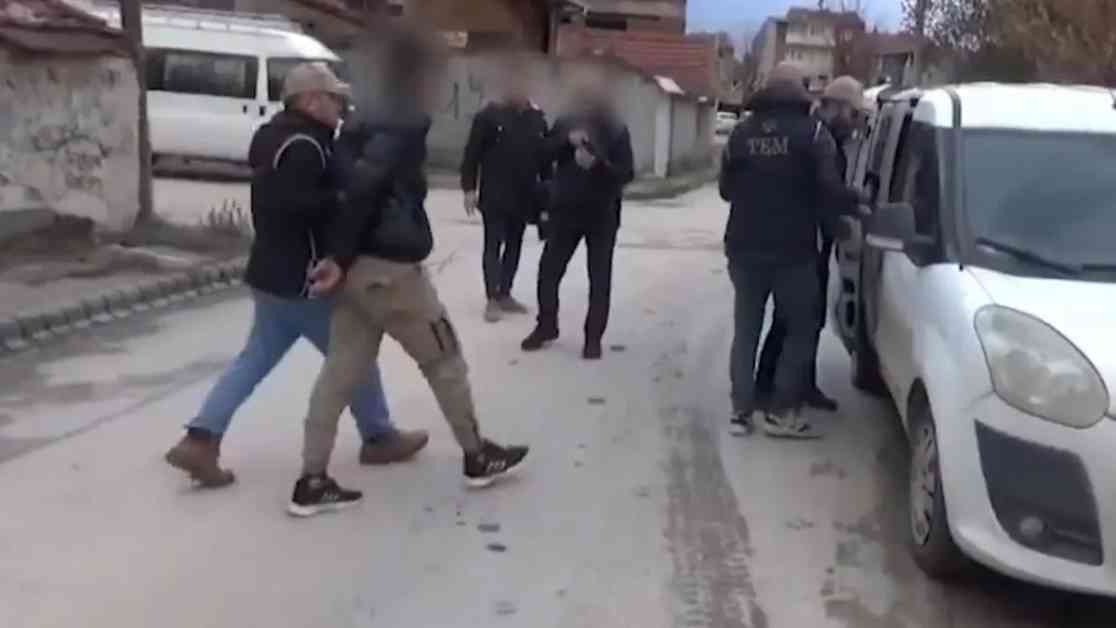
In a significant development in the fight against terrorism, Turkish Minister of Interior, Ali Yerlikaya, announced the capture of 240 suspected members of the PKK/KCK terrorist organization. The operations, codenamed “Gürz-39” and “Gürz-40,” have been ongoing for the past two weeks across 43 provinces.
Coordination and Execution
According to the information shared by Minister Ali Yerlikaya, the operations were carried out in coordination with the Republic Chief Public Prosecutors’ Offices, the Directorate General of Security Department of Anti-Terrorism, and Intelligence Directorate, as well as the Gendarmerie General Command Department of Anti-Terrorism. The provincial police departments and gendarmerie commands in 43 provinces including Adana, Ankara, Istanbul, Diyarbakir, and Izmir were actively involved in the crackdown against the PKK/KCK.
Details of the Operation
The suspects captured during the operations were found to be actively involved in various activities within the PKK/KCK terrorist organization. They were identified as participating in the youth and ideological structures of the terrorist group, providing financial support, and propagating PKK/KCK propaganda through social media channels. Additionally, individuals with confirmed prison sentences and arrest warrants were also apprehended during the operations.
Seizures and Progress
As a result of the operations, a significant amount of illegal firearms, numerous organizational documents, and digital materials were seized by law enforcement authorities. The successful capture of these suspects marks a crucial step in the ongoing efforts to achieve a “Terror-Free Turkey” and ensure the peace, unity, and harmony of the nation.
The relentless dedication and coordinated efforts of the security forces have once again demonstrated the government’s unwavering commitment to combat terrorism in all its forms. The capture of 240 suspected terrorists sends a strong message to those seeking to disrupt the peace and stability of the country. The operations conducted across multiple provinces underscore the comprehensive approach taken to address the threat of terrorism and uphold the safety and security of the Turkish people.
As we reflect on the impact of these operations, it is imperative to recognize the sacrifices and bravery of the security personnel who put their lives on the line to protect the nation. Their unwavering resolve and tireless efforts are instrumental in safeguarding the values and principles that define our society.
In the face of adversity, unity and resilience remain our greatest strengths. Together, as a nation, we stand firm against the forces of terror, working towards a future where peace and prosperity prevail. Let us remain vigilant, support our security forces, and uphold the values of justice and freedom that form the bedrock of our democracy.