
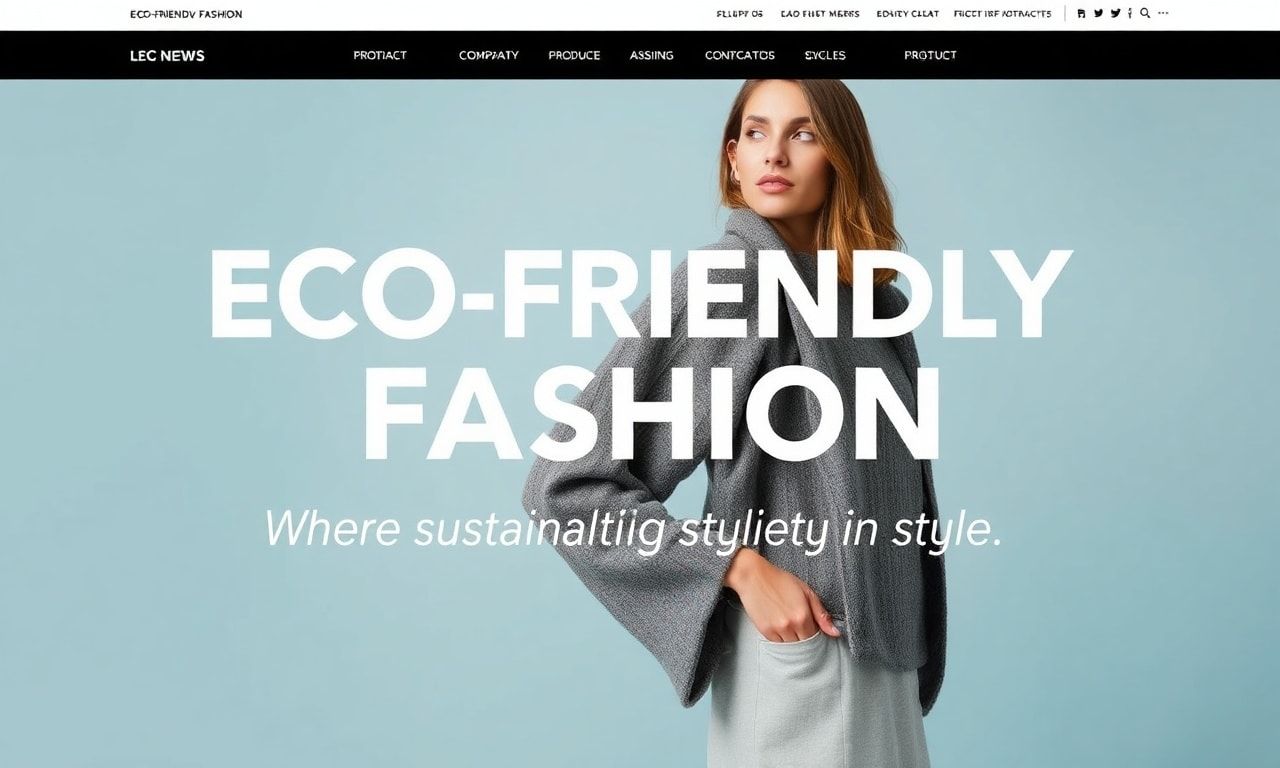
The Rise of Sustainable Fashion
The fashion industry is undergoing a significant transformation, with sustainability taking center stage. Consumers are becoming more conscious of their environmental impact, and this shift is reflected in their purchasing decisions. Eco-friendly fashion is no longer a niche market; it’s a global movement that’s reshaping the way we think about style and clothing.
The Intersection of Fashion and Sustainability
Sustainable fashion is about more than just using eco-friendly materials. It’s a holistic approach that considers the entire lifecycle of a garment, from the sourcing of raw materials to the end of its useful life. This includes:
- Using organic, recycled, or upcycled materials
- Implementing ethical and fair labor practices
- Reducing waste and pollution through innovative production methods
- Promoting a circular economy by encouraging recycling and upcycling
Sustainable Materials in Fashion
One of the most visible aspects of sustainable fashion is the use of eco-friendly materials. Designers are increasingly turning to organic cotton, hemp, linen, and recycled fabrics. These materials not only reduce the environmental impact but also offer unique textures and qualities that enhance the aesthetic appeal of the garments.
Ethical Fashion and Fair Labor Practices
Sustainable fashion also encompasses ethical considerations, ensuring that workers are treated fairly and paid a living wage. Brands are increasingly transparent about their supply chains, allowing consumers to make informed choices. This ethical approach extends to animal welfare, with many designers opting for vegan and cruelty-free materials.
Innovations in Sustainable Fashion
The fashion industry is embracing technology to create more sustainable practices. From 3D printing to AI-driven design, innovation is playing a crucial role in reducing waste and improving efficiency. Additionally, companies are exploring alternative energy sources, such as solar enerji teklif, to power their operations and minimize their carbon footprint.
Circular Fashion: A New Paradigm
The concept of circular fashion is gaining traction, focusing on the idea of a closed-loop system where materials are continuously reused and recycled. This approach reduces waste and conserves resources, creating a more sustainable fashion ecosystem. Consumers are encouraged to repair, repurpose, and recycle their clothing, extending the life cycle of their garments.
How to Incorporate Sustainable Fashion into Your Wardrobe
Transitioning to a more sustainable wardrobe doesn’t have to be overwhelming. Here are some practical tips to get started:
- Invest in high-quality, timeless pieces that will last for years.
- Choose brands that prioritize sustainability and ethical practices.
- Support local designers and artisans to reduce the carbon footprint associated with shipping.
- Participate in clothing swaps and second-hand shopping to extend the life of garments.
- Care for your clothes properly to prolong their lifespan, such as washing them in cold water and air-drying when possible.
The Future of Sustainable Fashion
The future of fashion is undeniably sustainable. As consumer demand for eco-friendly and ethical products continues to grow, the industry will continue to evolve. Innovations in materials, production methods, and business models will drive this transformation, making sustainable fashion the new norm rather than the exception.
Embracing sustainable fashion is not just a trend; it’s a necessary shift towards a more responsible and conscious way of living. By making mindful choices, we can contribute to a healthier planet and a more equitable fashion industry.
Discover how sustainability meets style in our latest feature, fashion’s eco-friendly evolution, and learn how to stay chic while making a difference.