President Ekim Boosts Morale of Police Academy Students
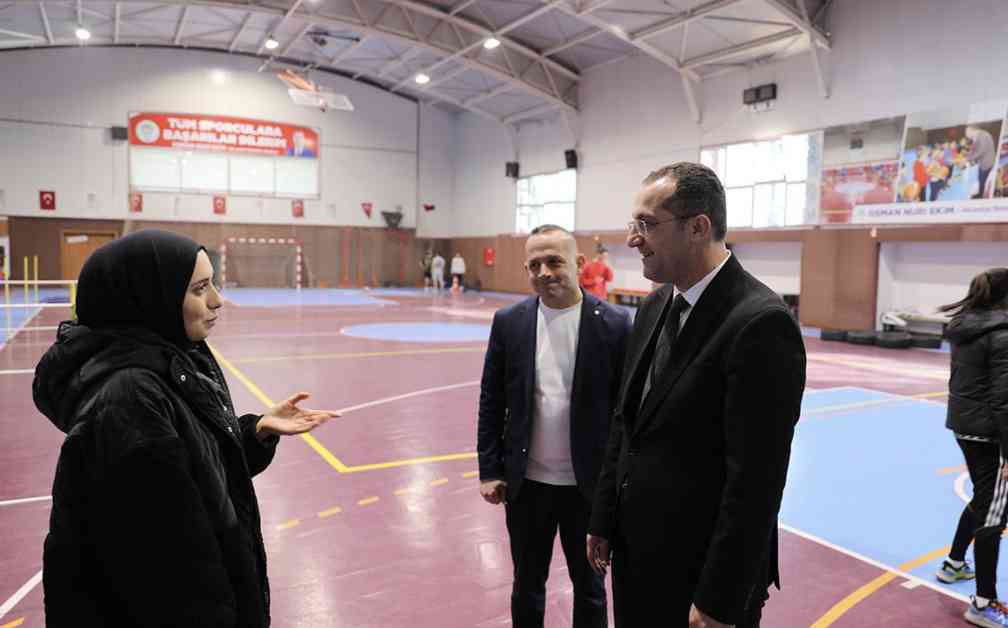
Trabzon, Turkey – President Osman Nuri Ekim of Akçaabat Municipality showed his support for the aspiring police officers by visiting them at the Police Vocational School (POMEM) to deliver an inspiring speech. The visit aimed to boost the morale and motivation of the young students embarking on the challenging journey of police training.
President Ekim’s Speech Emphasizes the Importance of Police Work
During his speech, President Ekim highlighted the significance of the police profession as more than just a job but also a sacred duty to uphold trust and justice within society. He expressed pride in being among the future protectors of the nation and encouraged the students to face the inevitable challenges of their training with determination and perseverance.
President Ekim stated, “I am honored to be here with you today. You are the future defenders of this country, tasked with building a safe tomorrow for all. The difficulties you encounter during your education will only be stepping stones. I wholeheartedly believe that your dedication and resilience will make you not only worthy police officers but also assets to our nation. I wish you all the best in your journey.”
Testimonial from a Previous POMEM Course Participant
A former participant of the POMEM course sponsored by Akçaabat Municipality shared their emotional thoughts and gratitude for the opportunity provided by President Ekim. They expressed thanks for the chance to successfully enter the police school and begin their professional career, with ongoing studies and hopes for success among their peers. The participant acknowledged President Ekim’s dedication to supporting the youth and extended their appreciation for his efforts.
As the community continues to witness President Ekim’s commitment to engaging with and uplifting the younger generation, the bonds between the local government and the aspiring police officers grow stronger. The personal interaction and words of encouragement from President Ekim serve as a beacon of inspiration for the students, reinforcing their resolve to excel in their training and future roles as law enforcement officers.