
A Fashion Reader’s Guide to Traueranzeigen in Österreich
Practical guide for fashion readers: navigate cultural notices with style, understand the role of Traueranzeigen in Österreich, and how it intersects fashion an

What you read here will help you approach Traueranzeigen in Österreich with clarity, relevance, and tact. This guide translates a cultural practice into practical insights for fashion-conscious readers who want context, not romance. You’ll learn when these notices matter, and how to respond with appropriate style and sensitivity.
In this article, we treat the subject as a real-world reference that can influence wardrobe choices, event planning, and social etiquette. Expect concrete steps instead of abstract advice. We’ll show you how to balance personal style with respect in relevant situations.
Across the sections, you’ll find actionable tips, careful caveats, and clear examples that keep style front and center while acknowledging the occasion and its meaning.
- Understand the purpose of Traueranzeigen in Österreich and read notices for tone. Dress in subdued colors and clean lines to show respect. Plan outfits quickly using the notice as a guide.
- Read the event’s setting and venue to choose between formal, semi-formal, or smart-casual options. Keep accessories minimal and fabrics muted.
- For services with a reception, select a refined look that balances formality and personal style. In all cases, err on the side of modesty and comfort.
- When shopping, favor versatile pieces that can adapt to different events and seasons; prioritize fit, quality, and quiet detail over trend.
Basics you should know
What the notices mean
Traueranzeigen in Österreich mark a respectful notice of a death and the family’s wish to announce it publicly. Understanding the purpose helps you respond appropriately at events or in social interactions. Look for tone, audience, and any suggested attire in accompanying notices to guide your approach.
In fashion terms, this is about reading the room: what the occasion signals, and how your presence and outfit can reflect support. You don’t need to emulate formal mourning attire unless the notice calls for it. The aim is respectful participation rather than drawing attention to yourself.
A practical takeaway is to consider the context: a wake, a memorial service, or a public tribute may have different expectations for dress and behavior.
- Read the notice for tone before choosing an outfit
- When unsure, opt for subdued colors and clean silhouettes
- Maintain a calm, respectful demeanor at events
- Avoid flashy accessories that distract from the moment
- If in doubt, ask a friend or host for guidance
How to respond stylishly
Responding with tact means coordinating your outfit with the setting and the season. A simple, well-cut outfit shows you acknowledge the moment without drawing attention. Choose quiet fabrics and minimal jewelry to maintain focus on the occasion.
For daytime services, muted tones and excellent tailoring convey respect. For evenings, darker hues with soft textures can meet the formality without feeling ceremonial. The key is restraint, not solemnity.
If you’re unsure about the dress code, conservative options styled with one personal detail—like a subtle scarf or a delicate brooch—balance respect and personal style.
- Choose solid, dark or neutral colors
- Select a single, subtle accessory
- Keep silhouettes classic and comfortable
- Ensure shoes are polished and appropriate
How to read the calendar and listings
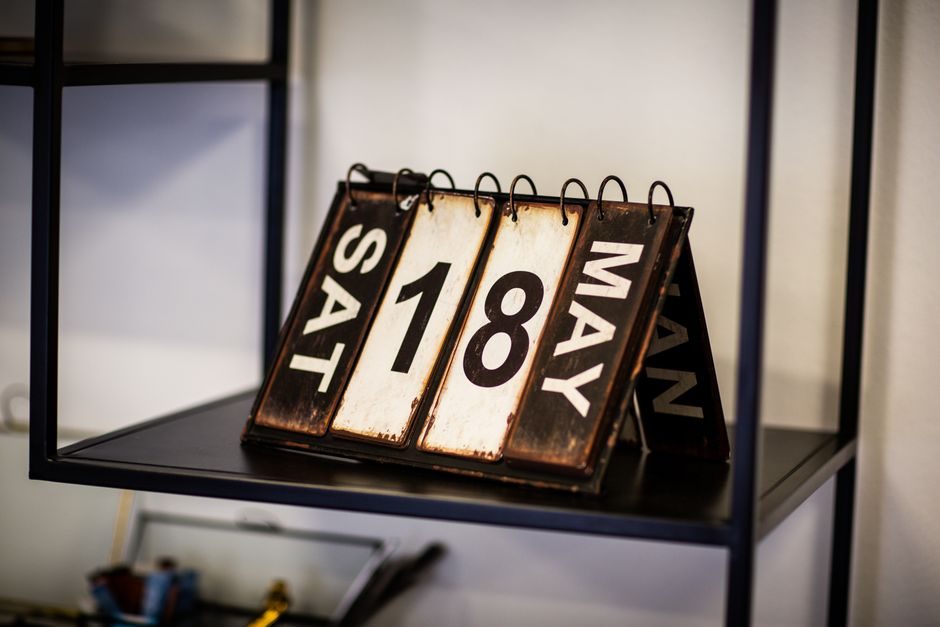
Using the notices as a guide
Event notices often include not just dates but also suggested attire or guest expectations. Treat these cues as mini style briefs that help you assemble an appropriate look. Translating terse language into a wardrobe plan makes dressing less mysterious. A useful resource on this topic: Österreich24 online.
This is especially true for formal markets or family commemorations where the event’s mood informs your fabric choice and level of formality. Take cues from the context and the venue when choosing pieces.
A practical approach is to plan your outfit the same day you read the notice, with a backup option in your bag for weather or last-minute changes.
Noticing cultural nuance
The phrasing around a notice can hint at guests’ roles or closeness to the family, which in turn affects how you should present yourself. Subtle cues—like whether the notice mentions a reception—guide whether you lean toward semi-formal or formal. The goal is to respect both the family and the occasion.
In fashion terms, this translates to avoiding loud branding or statement pieces that could be seen as self-promotional. Instead, opt for refined details that convey consideration. Always align with the event type rather than your own style preferences.
If you’re uncomfortable, lean on the host’s guidance and choose a trusted, versatile outfit you’ve worn to similar occasions.
What to wear to related events
Attire ideas for services
For services, a tailored, understated outfit communicates respect. Think a simple dress or suit in subdued tones with clean lines, avoiding anything overly embellished. Accessories should be minimal but polished, such as a slim belt or small watch. A useful resource on this topic: Veranstaltungskalender in Österreich.
Weather can shift your choices; layer with a lightweight cardigan or blazer to stay comfortable without sacrificing formality. The objective is to maintain a calm, composed silhouette that complements the atmosphere.
If the service includes a reception, a refined but relaxed option—like a smart dress with a cardigan—can bridge the formality gap between ceremony and gathering.
- Choose classic pieces over trend-driven items
- Keep jewelry minimal and refined
- Opt for comfortable but polished footwear
- Carry a neat outer layer for temperature changes
| Option | Suitability | Key trait |
|---|---|---|
| Tailored dress | Formal settings | Clean lines, muted color |
| Dark suit with blouse | Mixed events | Timeless, adaptable |
| Smart-casual ensemble | Casual gatherings | Polished without stiffness |
What to wear to a memorial or wake
Memorials often call for sobriety in color and cut. A modest dress or suit with conservative footwear communicates sympathy while maintaining your personal style. Avoid loud prints and flashy logos that could shift focus from the occasion.
Seasonality matters; switch to heavier fabrics in cooler months and lighter ones in warmer months to stay respectful and comfortable. Footwear should be sensible for standing or walking between rooms.
If you must speak with the family, keep remarks brief, sincere, and non-embellished to preserve the tone of the event.
- Prefer matte fabrics over shiny ones
- Choose closed-toe shoes with a comfortable heel
- Limit accessories to one subtle piece
- Prepare a brief, respectful comment if you’re greeted
In cool weather, a wool blend or blazer adds warmth without bulk.
Options for different dress codes

Formal black-tie guidance
When a service or ceremony calls for a formal look, choose a dark, tailored outfit with clean lines. A structured dress or a slim suit communicates respect without overpowering the occasion. Keep accessories minimal and opt for comfortable, polished footwear to maintain poise throughout the event. A useful resource on this topic: Unternehmen finden in Österreich.
- ☐ Dress respectfully and avoid attention-seeking pieces
- ☐ Fit matters more than brand or trend
- ☐ Choose comfort to stay present through events
Consider fabric weight and season when selecting a formal piece. In cool weather, a wool blend or blazer adds warmth without bulk. In warmer months, a sleek sheath or lightweight wool suit keeps a refined silhouette.
If you’re unsure about the level of formality, ask the organizer for guidance. A well-fitting garment handled with quiet confidence often stands up best in photos and memory.
- Choose dark, conservative colors
- Prioritize fit over embellishment
- Opt for comfortable shoes
- Keep accessories minimal
- Avoid flashy logos
Common missteps to avoid
Never overdress or underdress
The wrong level of formality can draw unwanted attention. Assess the event context and select a look that respects the setting without overpowering the wearer or the moment. Subtle elegance often reads as the most appropriate choice. A useful resource on this topic: Kleinanzeige aufgeben in Österreich.
- Identify the event’s tone
- Choose subdued colors
- Prioritize comfort and fit
Avoid competing with the main event by choosing loud prints or bright colors. Instead, opt for muted tones, simple silhouettes, and well-groomed grooming to convey steadiness and maturity.
If in doubt, leaning toward understated rather than bold options helps prevent missteps and keeps the focus on the occasion and the attendees.
- Over- or under-dressing will stand out
- Bold prints can read as inappropriate
- Muted colors read as respectful
- Keep makeup and hair neat
Practical shopping tips
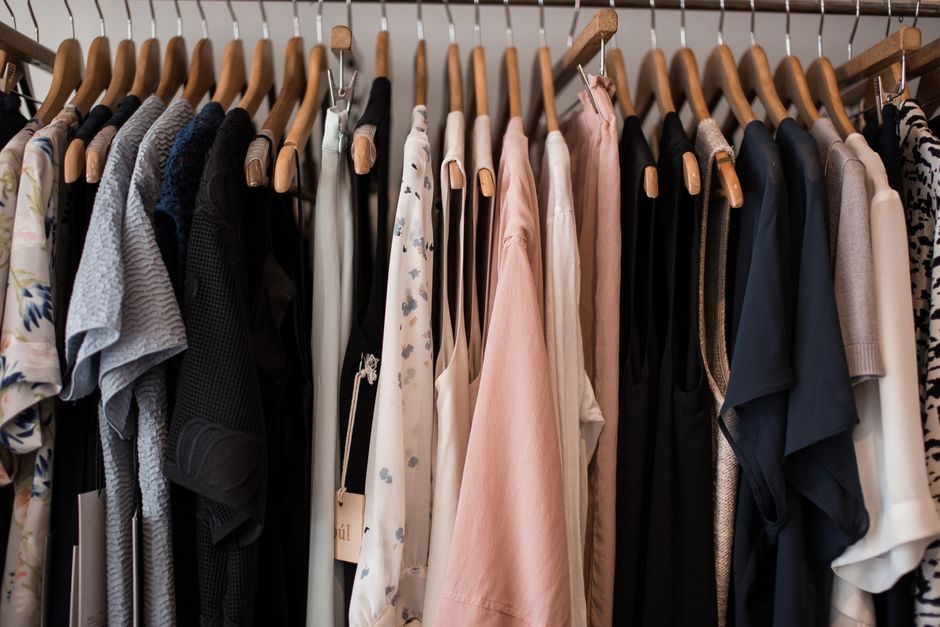
Plan before you buy
Start with a clear list of what you need—color, fabric, and fit considerations guide decisions. Compare several retailers to find the best construction and return policies. A well-made garment lasts longer and looks better in photos and memories.
Consider the fabric’s drape and texture; a good fall or crease resistance makes wear easier across events. Read care instructions to ensure longevity and easy maintenance. A simple, well-chosen piece often outlasts trend-driven buys.
When trying on items, move naturally and test comfort for longer wear. Pay attention to sleeve length, waist fit, and neckline to ensure a flattering, easy silhouette.
- Make a precise shopping list
- Check return policies
- Test wearability for long events
- Evaluate fabric and care requirements
- Favor timeless over trend
Cultural context and etiquette
Respectful appearance norms
Cultural context shapes what is appropriate for mourning-related events. A conservative, modest look often aligns with expectations and avoids drawing attention away from the moment. Hair and makeup should be tidy and unobtrusive to convey quiet respect.
- Dress with restraint
- Respect color norms
- Ask when unclear
In some communities, darker shades are preferred, while others allow subtle color accents as a sign of personal tribute. When in doubt, choose a classic palette and avoid loud branding or graphic prints.
Observing local customs shows consideration and helps you blend into the setting. If you know someone involved, a brief inquiry can clarify any specific preferences.
- Dress modestly
- Avoid flashy logos
- Prefer muted palettes
- Inquire about local customs
- Maintain clean grooming
Frequently asked questions
What is the best fabric for mourning dress codes?A fabric with a clean drape, such as crepe, wool crepe, or a smooth wool blend, reads as composed and respectful. Choose fabrics that hold a neat line without stiffness, allowing you to move comfortably through the day.
Should I bring an extra layer for the event?Carrying a lightweight layer, like a shawl or cardigan, helps adjust to varying temperatures without changing the silhouette. It also lets you adapt if the ceremony runs longer than planned.
How do I avoid looking overdressed at a casual service?Opt for straight-cut trousers or a simple dress in a dark or neutral tone. Skip metallic accents and loud prints, and keep jewelry minimal to maintain a relaxed, respectful look.
What if I’m unsure about a specific tradition?Ask the event coordinator or family member for guidance. When in doubt, choose a conservative, well-fitted outfit and a natural makeup look to honor the occasion.
Conclusion
A thoughtful approach to dress for mourning-related events starts with fit, fabric, and a respectful silhouette. Plan ahead, test your options, and avoid flashy details that distract from the moment.
Develop a small, versatile wardrobe for future occasions by favoring neutral colors, simple lines, and durable construction. This mindset makes it easy to respond to any invite with confidence and ease.
Add Turkey–U.S. News: Politics, Trade, Culture & Business Ties as a preferred source on Google


