
Best place to list used items for sale: smart fashion shopper’s guide
A practical guide for fashion readers: where to list used items for sale, how to choose the best platform, and tips for selling with style in mind.

If you want to turn wardrobe surplus into cash without a clothing pile in your living room, start with the right listing spot. This guide answers where to list used items for sale so you reach buyers who care about fit, fabric, and finish. You’ll learn the simplest path, plus smart tweaks that improve visibility and speed up a sale.
First, consider audience and ease: platforms with built‑in buyers for fashion items save time and reduce back-and-forth. Next, compare costs and safety features so you don’t pay more than you earn. Finally, tune your listings for clarity—photos, measurements, and honest descriptions win trust quickly.
Throughout, you’ll see practical comparisons, ready-made templates, and a plan you can adapt to local markets like Duxbury. The goal is a balanced approach: describe the item well, price it fairly, and choose a venue that matches your timeline.
- Choose the platform that matches how fast you want to move items and how much you value reach versus local speed.
- Prepare photos that show details buyers care about, and include exact measurements and fabric notes in the description.
- Price fairly based on condition and demand, and craft listings that are clear, honest, and inviting.
- Evaluate local versus national venues to balance convenience with audience size and shipping considerations.
Basics of listing used items
Choose the right platform
Start with the platform that matches your item and timeline. If you want speed, choose a marketplace with rapid listing and quick turnover. If you seek higher value, target a specialized audience that appreciates fabric and brand details. used items for sale in Duxbury is a phrase to anchor local listings and ensure relevance.
- Know the platform’s strengths before listing
- Local markets can speed sales
- Fine-tune photos and descriptions based on response
Consider whether you need a built‑in audience in your region; local groups can cut shipping time and reduce hassle. Read community guidelines so your listing stays compliant and visible.
Test the waters with a small batch first to learn what photos and descriptions resonate with buyers and to gauge demand.
- Choose by speed vs. value
- Evaluate regional reach
- Test with a small batch
Prepare your item for photos
Good photos sell, so start with clean, well‑lit shots that show the item from multiple angles. Include closeups of fabric, seams, and any wear. A simple, uncluttered background keeps the focus on the piece.
Describe fit and measurements in the caption to prevent returns or mismatched expectations. Use a scale reference, like a tape measure or a familiar object, to help buyers judge size.
If relevant, photograph labels, care instructions, and styling options to demonstrate versatility and care quality.
- Clear, well-lit images
- Multiple angles with details
- Accurate measurements and care notes
How to price and describe items
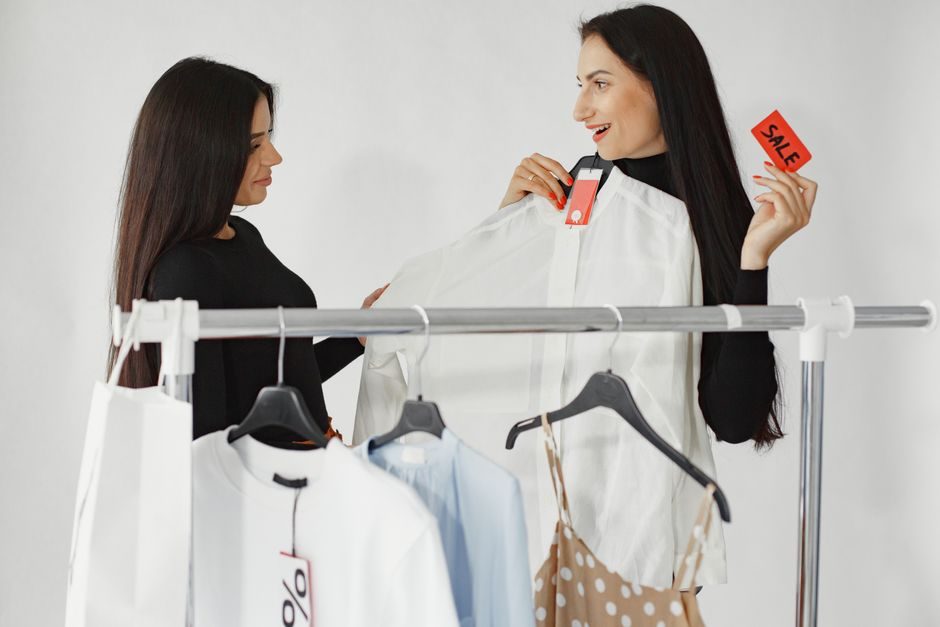
Pricing approach
Base your price on the item condition, demand, and comparable listings in similar markets. If you are unsure, start with a fair, slightly flexible price and adjust after the first week. The guide helps you compare the latest news Duxbury with practical listing steps.
Avoid panic pricing; a reasonable, well‑justified price motivates confident buyers. State whether you are open to reasonable offers to keep the conversation productive.
Offer value by including extras such as a belt, care kit, or a matching accessory when appropriate.
- Condition-driven pricing
- Flexible offers to maintain momentum
- Value adds when possible
Crafting the listing text
Lead with the key feature—the cut, color, or fabric that stands out. The first line should grab interest but be precise about size and condition.
Detail the item’s measurements and fit so buyers know if it works for them. Include any alterations or notable flaws with honesty to avoid disputes.
End with a concise call to action, such as inviting questions or offering quick pickup, and remind buyers of shipping or pickup options.
- Lead with a strong feature
- Provide exact measurements
- Honesty builds trust
Where to list in practice
Local vs. national platforms
Local platforms move items faster if buyers in your area are active and pickup is easy. They’re ideal for quickly turning over wardrobe pieces you want gone soon. post your event in Duxbury can align with wardrobe swaps or local fashion meetups.
- A well‑priced coat sells within a few days on a local buy/sell group.
- A designer shirt may take longer on a broad platform but reaches collectors.
- A basic tee moves quickly in any venue with clear photos.
National or broad marketplaces reach more buyers but may involve shipping challenges and longer wait times. Factor the extra steps into your planning and pricing.
Check if your item is a good fit for swap groups or consignment networks that handle multiple steps for you.
- Local speed vs. wider reach
- Shipping considerations
- Consignment options available
| Venue type | Best for | Key tradeoffs |
|---|---|---|
| Local marketplace | Fast turnover | Low shipping, higher interaction |
| National platform | Wider reach | Possible higher shipping costs, longer wait |
| Consignment network | Hassle-free selling | You share proceeds, less control |
Safety and etiquette
Use trusted payment methods and document exchanges if selling locally. Meet in public places and bring a friend if possible when handing over items.
Respond promptly to inquiries with clear, friendly information. Quick, courteous replies keep buyers engaged and prevent lost sales.
Respect platform rules and privacy: don’t share sensitive data, and remove listings if an item is no longer available.
- Use secure payments
- Be prompt and polite
- Follow platform rules
Organize photos by item area: front view, close-up of fabric, and any flaws.
Proper presentation and organization

Arranging your listing layout
Start with a clean, clear title that states what is for sale and its condition. Use bullet points for key details like size, color, and measurements. End with a concise call to action that invites questions and quick replies. add your business to the Duxbury business directory fits with promoting fashion services and local listings.
- ☐ Lead with the most important detail first: size or fit
- ☐ Pair photos with a precise description
- ☐ Close-up shots reduce post-sale questions
Organize photos by item area: front view, close-up of fabric, and any flaws. Show tag, care label, and a size chart if available. Consistency across photos helps buyers compare items at a glance.
Avoid clutter in descriptions; each sentence should add a concrete detail about the item’s wear or provenance. A well-structured listing saves time for both sides and reduces back-and-forth.
- Clear item title
- Plain, factual condition
- Key measurements listed
- Close-ups of fabric and flaws
- Consistent photo set
Marketing your listings
Capturing attention without hype
Write a first line that captures the item’s best feature without exaggeration. Mention fabric, care, and why it’s a smart buy for a wardrobe refresh. Clear language builds trust from the first glance. submit an obituary in Duxbury
Highlight versatility by suggesting outfit ideas and occasions. A single sentence linking the item to multiple looks helps buyers imagine wearing it.
End with a practical bidding or inquiry prompt, such as offering easy returns or answering questions within 24 hours.
- Strong first line
- Versatile use cases
- Prompt follow-up availability
Building trust with buyers

Honesty about condition
Be explicit about wear, repairs, or fading. Mention any odors, pilling, or fabric stretches with neutral language. This avoids later disputes and earns credibility.
Provide measurements and item history when possible, such as purchase date or original brand. Prospective buyers appreciate context for size and quality expectations.
Respond quickly to inquiries and confirm details in writing. A prompt, polite tone during conversations helps close sales and reduces misunderstandings.
- Full disclosure of flaws
- Provide accurate measurements
- Timely, courteous communication
Local market realities and timing
Timing your listing for local buyers
List items when your local activity is highest, such as weekends or market days. Avoid long gaps between post and shipping expectations to keep momentum.
Consider local pickup as a default option to minimize shipping friction. Clear pickup instructions and safety tips help buyers feel secure.
Seasonal demand affects what sells; lightweight pieces move faster in warm months while outerwear gains traction in chillier periods.
- Post during peak local activity
- Offer local pickup by default
- Account for seasonal demand
Frequently asked questions
What makes a listing stand out to buyers?Clarity, honesty, and quick responses. Clear photos and precise measurements reduce back-and-forth and help buyers decide faster. A strong first line that highlights fit or fabric also captures attention.
Should I offer shipping or only local pickup?Offer local pickup by default to reduce shipping hassles, but provide a clear shipping option for distant buyers. State delivery times and costs upfront to avoid surprises.
How often should I refresh listings?If an item remains unsold for a couple of weeks, refresh photos, adjust the description, and consider a price tweak. Regular refresh signals activity to algorithms and buyers alike.
What if a buyer disputes the item condition?Refer to your original description and photos, reply calmly, and propose a resolution—return or discount if reasonable. Documentation of measurements and flaws helps resolve disputes.
Keep listing momentum going
Inventory moves faster when listings are clear, timely, and well photographed. The next step is to audit your current items, adjust descriptions, and schedule postings for peak local times.
A steady cadence of new posts and prompt replies builds trust and keeps buyers returning to your shop for smart, fashion-minded finds.
Add Turkey–U.S. News: Politics, Trade, Culture & Business Ties as a preferred source on Google


