
Practical room-hunting for fashion lovers in Liverpool
A clear guide for readers of a fashion site: how to find rooms and property to rent in Liverpool, with tips aligned to lifestyle, wardrobe needs, and travel eas

If you’re planning a stay or a move to Liverpool, this guide shows you how to find rooms and property that fit a fashion-forward lifestyle. You’ll learn practical steps to search, compare, and secure a space that works with your wardrobe, schedule, and local vibe. The aim is to save you time and avoid common rental hassles while keeping style and convenience in view.
Think of your accommodation as a backdrop for outfits, shoots, and city strolls. We cover where to look, what to ask, and how to judge space for storage, lighting, and a small dressing area. The goal is a confident choice that supports your daily routine and creative work.
From listing sites to in-person visits, the process blends practical checks with a sense of place. This guide keeps the focus on fashion-readiness: brightness for makeup and fittings, quiet corners for editing, and proximity to boutiques and creative hubs. Expect concrete steps, clear questions, and realistic expectations.
- This guide helps you find rooms or small properties near Liverpool fashion hubs. It covers where to look, what to check, and how to compare options for light, storage, and access.
- Be practical about layout, power, and quiet hours. Favor spaces that support shoots, fittings, and daily dressing routines.
- We map out a process: search, view, compare, and secure a space that fits a fashion calendar without drama.
Basics of renting in Liverpool
Where to search now
Begin with trusted rental sites and local listings that regularly update. Check photos for natural light, room size, and storage. Note neighborhood pros and potential commute times to core fashion districts. rooms and property to rent in Liverpool
Look for rooms that offer a bright, neutral backdrop for shoots and fittings. Ensure the space can host a small wardrobe rack, mirror, and task lighting. Record a short list of must-haves before you view any place.
If you have a flexible timeline, compare short-term options first to test a neighborhood before committing.
- Prioritize light: morning and afternoon brightness
- Ask about storage and desk space
- Check for quiet corners for editing or calls
- Confirm broadband speed and reliability
Understanding rental terms
Read the lease carefully for duration, deposits, and any utility responsibilities. A clear contract helps you plan wardrobe rotations and laundry cycles without surprises. Look for a clause about subletting and guests if you collaborate with collaborators.
Ask the landlord or agent to explain any unclear charges and the process for repairs. A straightforward process saves time when you’re coordinating fittings, shoots, and late-night edits.
Compare terms across two or three options to see which truly supports a busy fashion schedule.
- Look for month-to-month options if you travel
- Clarify who covers utilities and internet
- Know the notice period for moving out
- Check pet or guest policies if relevant
How to evaluate spaces for fashion use
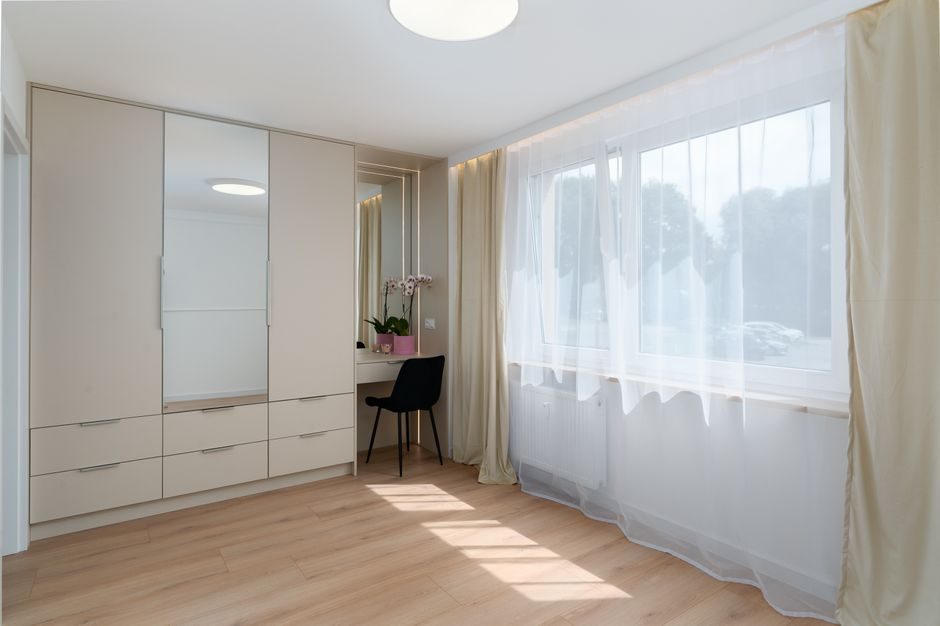
Light, color, and layout
Assess daylight availability across seasons. A space with adjustable blinds and white walls helps you balance color for fabric swatches, makeup, and set lighting. Map out a layout that fits a wardrobe rack, mirror, and a compact desk. Liverpool Daily latest news
Test the electrical setup to run lighting kits or battery chargers during shoots. Ensure there are enough outlets and safe space for tripods and backdrops.
Visualize a morning routine here: a place to steam garments, lay outfits, and prepare looks before sunrise shoots.
- South-facing rooms for bright mornings
- Neutral walls for true color
- Adequate outlets near work areas
- Controlled sound for video calls
Neighborhoods that suit style life
Liverpool has districts with different rhythms. A central area gives fast access to boutiques, galleries, and galleries, while coastal zones offer quieter backdrops for lookbooks. Consider proximity to cafés and transit for mobility between fittings.
Check safety, walkability, and nearby amenities that support after-hours shoots or last-minute fabric runs. A good neighborhood reduces daily friction and keeps your routine smooth.
If you frequently shoot on location, factor in nearby parks or streets with interesting textures for背景 photographs.
- Walkable cores with transit access
- Nearby shops and dry cleaners
- Quiet streets for candid shoots
- Access to parks or interesting exterior walls
Options to rent: shared, studio, or room-only
Room share vs. private room
A private room offers more control over your space and schedule but may come at a premium. A shared setup can lower costs and expand social opportunities, useful for collaborative shoots or styling sessions. what's on in Liverpool
Ask about shared storage and privacy rules. Ensure there’s a separate space for your wardrobe drawers and makeup kit to avoid congestion during fittings.
Evaluate compatibility with housemates who understand fashion work hours and quiet requirements to prevent conflicts.
- Private room: more control, higher cost
- Shared space: cost savings, potential noise
- Separate wardrobe area needed
- Clear guest policies
| Option | Pros | Cons |
|---|---|---|
| Room-only | More control, lower cost | Limited backdrop and storage |
| Shared space | Cost savings, community | Less privacy, potential noise |
| Studio | Controlled backdrop | Higher rental and setup needs |
Short-term studio options
A studio can reduce clutter at home and give you a controlled backdrop for photos. Look for rooms that already have good lighting or space to install a backdrop. Short-term studios can be booked by the day, ideal for fashion shoots or capsule fittings.
Confirm ventilation and air quality, especially if you work with hair sprays, makeup, or fabrics that shed. A clean, inviting backdrop helps you shoot consistently.
Compare studio rates with apartment-based rooms to decide what fits your schedule and budget.
- Pro ready studios with lighting
- Backdrops and wall color considerations
- Ventilation for scents and fabrics
- Flexible booking terms
Watch for unusually fast moves toward security deposits or pressure to sign instantly.
Pitfalls to avoid when renting for fashion needs

Common rental scams
Be wary of rates that seem too good to be true or listings without clear photos. Verify the agent’s contact details and request a video tour if you can’t visit in person. Protect yourself with a formal contract and traceable payments. add your business listing in Liverpool
- Suspiciously vague listings.
- Unresponsive landlords or agents.
- Pressure to pay upfront without contract.
Watch for unusually fast moves toward security deposits or pressure to sign instantly. These signals often mask hidden conditions or restricted access to spaces.
Always confirm access times, especially for shoots that start early or run late, to avoid conflicts with neighbors or the landlord.
- Too-good-to-be-true prices
- Lack of verifiable contact
- Push to rush signing
- Unclear access hours
Practical checks before you commit
Visit at same time of day you’d use the space for shoots to assess lighting and noise. Bring a checklist: power availability, mirror space, storage, and seating for guests. Take photos or notes for later comparison.
Ask about storage policies for long-term wardrobe items and how often cleaning or pest control occurs. A clean, well-maintained space saves you time and stress.
Plan a mock layout with your wardrobe and a sample backdrop to test flow and space.
- Test lighting at peak hours
- Check storage capacity
- Confirm cleanliness and maintenance routines
- Try a basic shoot setup
Advanced rental tactics for fashion travelers
Local shortcuts for viewing rooms
Start with a tight plan for a viewing day, prioritizing spaces that fit your workflow for sewing, fittings, or photo shoots. Bring a portable measuring tape, a notebook, and a friend who knows fashion needs. Compare light, power outlets, and room sizes quickly so you only tour viable options. obituaries in Liverpool are sometimes published with regional notices that mention housing and accommodation listings for readers moving to the city.
- Check natural light around midday and late afternoon
- Test power outlets for lighting and sewing machines
- Ask about noise levels during peak city hours
Ask landlords to share current tenants’ schedules and quiet hours to gauge shooting comfort and late-night alteration needs. If possible, request a short-term trial stay for a weekend to test traffic and natural light. Document impressions with quick notes and photos to avoid mix-ups later.
Schedule tours during daylight and ask for a demonstration of the heating and cooling systems. For fashion work, verify reliable internet and a sturdy worktable can be set up. A clear sense of accessibility helps you avoid spaces that hinder late-night edits or early morning fittings.
- Bring a ready-to-list checklist
- Use daylight for evaluating lighting
- Ask about internet and workspace setup
Collaborating with landlords and agents

Clear expectations and documentation
Openly share your fashion needs before signing any agreement. A simple list of required amenities—stable Wi‑Fi, extra storage, and flexible term lengths—helps avoid later miscommunications. Keep emails concise so terms stay visible in black and white.
Document condition reports with photos and a dated checklist. This protects both sides and speeds up renewals if you need to adjust furniture setup or studio space. A written record also makes it easier to request repairs for sewing machines or lighting.
Agree on renewal options and notice periods from the start. If you anticipate seasonal shoots, negotiate a clause for temporary space adjustments or accessory installations that won’t breach the contract. A proactive approach saves time when plans shift.
- Share a detailed amenities list
- Keep written records of conversations
- Negotiate renewal and space adjustments
Renting with style: budgeting for fashion life
Budget priorities for creative spaces
Prioritize spaces that minimize monthly disruption to your workflow. Separate storage for fabrics and props keeps your area organized, reducing setup time between shoots. Consider how much room is needed for a sewing table, mannequin, and ring light setup.
- List essential amenities and their cost impact
- Estimate monthly transit and utility savings
- Create a small reserve for equipment issues
Balance rent with potential savings on transport and studio time. A central location may cut transit costs during busy fashion weeks, while a quieter borough could lower utilities and permit fewer relocation headaches.
Plan for the inevitable: occasional equipment repairs or replacements can shift monthly costs. Build a small contingency fund so you don’t rethink a shoot because of a failed device or a lost extension lead.
- Prioritize functional layout
- Factor transit costs
- Set aside a repair fund
What to do if a space isn’t right

Strategies when a space misses the mark
If a space fails to meet your lighting or noise needs, pivot quickly to alternatives that fit your schedule. Revisit your shortlist and compare the cost of extending a short-term lease with the expense of upgrading a key feature like windows or soundproofing.
Ask the landlord about possible improvements and who bears the cost. A modest contribution from the landlord toward blinds, soundproofing, or insulation can transform a space into a workable studio.
When in doubt, walk away with a clear decision process. Don’t overspend on a place that compromises your ability to deliver fashion work on deadline.
- Reassess on-the-spot
- Negotiate possible improvements
- Know when to move on
Frequently asked questions
What makes a rental suitable for fashion work in Liverpool?A suitable space balances good natural light, reliable power, quiet enough for edits, and flexible terms that allow shoots or fittings with minimal friction. It should support sewing, styling, and small shoots without heavy setup.
How long should I test a space before committing?Aim for a two-week trial window when possible. That period lets you see daylight variation, internet reliability, and the practicality of moving garments and equipment between shoots.
Should I negotiate for furniture or equipment?Yes. If you need desks, racks, or lighting supplies, discuss whether these are included, provided, or removable. A clear plan helps prevent surprises later on.
What is the best way to handle repairs during a lease?Document issues in writing and request a timeline for fixes. A landlord who responds promptly saves you from downtime during a shoot or alteration session.
Conclusion
Liverpool offers practical space options for fashion life when you prioritize light, accessibility, and flexible terms. Start with a short list, map it to your workflow, and plan a two-week trial to test real use.
Take a concrete next step: contact three landlords with your exact needs, request sample contracts, and set up site visits within a week. You’ll build momentum and reduce the guesswork of finding a space that doubles as a fashion base.
Add Turkey–U.S. News: Politics, Trade, Culture & Business Ties as a preferred source on Google


