
Style-savvy event tips: fold Veranstaltung eintragen in Deutschland into your fashion calendar
A practical guide for fashion readers on listing events in Germany, with clear steps, pitfalls to avoid and stylish scheduling ideas for your wardrobe planning.

You want events that fit your style calendar without the guesswork. This guide walks you through listing events in Germany in a way that aligns with fashion sensibilities—timely, practical, and sourced from reliable processes. Expect concrete steps, real-world examples, and quick checks you can apply to your own outfit and schedule.
The goal is to make event entries feel effortless rather than bureaucratic. You’ll learn what information to prepare, how to present it, and where to post it for maximum visibility among fashion-minded audiences. By the end, you’ll have a clear path to adding events that resonate with your wardrobe plans.
This primer treats event listings as a fashion accessory: deliberate, well-timed, and easy to repeat. It blends operational steps with style considerations, so your calendar enhances your looks as much as your social calendar. Expect practical tips you can act on today and a sense of how to balance events with outfits and travel.
- Create clear, platform-tailored listings with a fashion eye.
- Lead with a trend hook, then provide concrete details and practical notes.
- Post locally when relevant, and plan timing to fit readers’ wardrobes and travel.
Basics you should know
Legal basics for listings
Understand basic requirements for event entries in Germany, including what information is needed and where it should be published. Start by collecting date, location, and a clear description of the event. This keeps listings consistent and reduces back-and-forth later. Veranstaltung eintragen in Deutschland can be started with a simple, clear form on the event platform.
If you plan multiple postings, standardize the format so editors or platforms can reuse your copy. A plain, attractive title plus key details speeds approval and improves visibility. Prepare a one-liner that captures the event’s fashion relevance to your audience.
Having a ready FAQ section helps you respond quickly to common questions from organizers or platforms, such as eligibility or submission deadlines. This saves time and keeps your pages tidy.
- Know the required fields before you begin
- Keep copy concise and fashion-focused
- Prepare a one-sentence summary of the event
Choosing where to post
Select platforms that suit a fashion audience, like lifestyle listings or local event boards with a style angle. Cross-post to preserve reach without cluttering your original submission. This approach widens visibility without duplicating effort.
Tailor your description to the platform’s tone: editorial for fashion-forward sites, concise for community boards, and punchy for social feeds. A platform-smart approach keeps your event relevant to readers who skim headlines.
Always track responses from different channels to learn where your readers engage most. A simple log helps refine future entries and avoids posting where interest is low.
- Match platform tone to audience
- Cross-post strategically
- Track engagement and adjust
How to craft the listing

Structure that sells the look
Lead with a strong hook that ties the event to a current trend or wardrobe need. Follow with practical details like date, time, venue, and admission. Clear structure helps readers scan for relevance. Militär Report Deutschland appears as a niche channel readers follow for regional updates and fashion-tech events.
Use bullet points for essential facts and a short paragraph for the vibe or dress code. This makes the listing both readable and visually appealing in a fashion context.
Close with a practical note—what to wear, how to get there, or what to expect—that anchors the event in everyday style. This turns information into usable advice.
- Hook tied to a trend
- Concise essential facts
- Practical end-note
Be precise with language
Avoid vague terms that confuse readers. Choose concrete adjectives that describe the event ambiance and fashion context. Precision helps readers picture themselves there.
Keep the tone confident and editorial, not promotional. Readers respond to clarity over hype, especially for community or industry events.
Review the listing for consistency in tense, units, and platform-specific style guides before publishing. A clean draft reduces edits and delays.
- Use concrete adjectives
- Maintain editorial tone
- Proofread for consistency
Where to add the listing
Local vs. national venues
Local events connect with nearby readers and can boost foot traffic to pop-ups or showroom days. National listings extend reach but may dilute local relevance. Balance by tagging the event with a neighborhood focus. Dienstleister eintragen in Deutschland should emphasize reliability and accessibility for professional readers seeking services.
Use city-specific terms to signal relevance to readers who live near the venue. This helps your listing appear in local search results and feeds.
If you’re unsure, test a dual approach: one local post and one broader post to compare engagement over a short window. This gives data on where your readers actually respond.
- Local appeal boosts relevance
- Neighborhood tagging helps search
- Experiment with posting scope
| Option | Pros | Cons |
|---|---|---|
| Local listings | Higher local relevance | Limited reach |
| National listings | Wider audience | Less local context |
| Hybrid approach | Balanced exposure | Requires more effort |
Timing your entry
Publish listings ahead of the event to allow readers to plan outfits and travel. A slow ramp-up helps build anticipation and matches fashion cycles.
Coordinate with the organizer’s schedule so announcements align with promotions or tickets going live. Timely posts feel more trustworthy and professional.
Keep a reminder schedule for follow-ups or updates if details change, such as location or entry requirements.
- Publish ahead of time
- Coordinate with organizers
- Schedule updates if needed
A clear timetable also informs your social media drip, so your posts align with the event day.
Practical planning tips
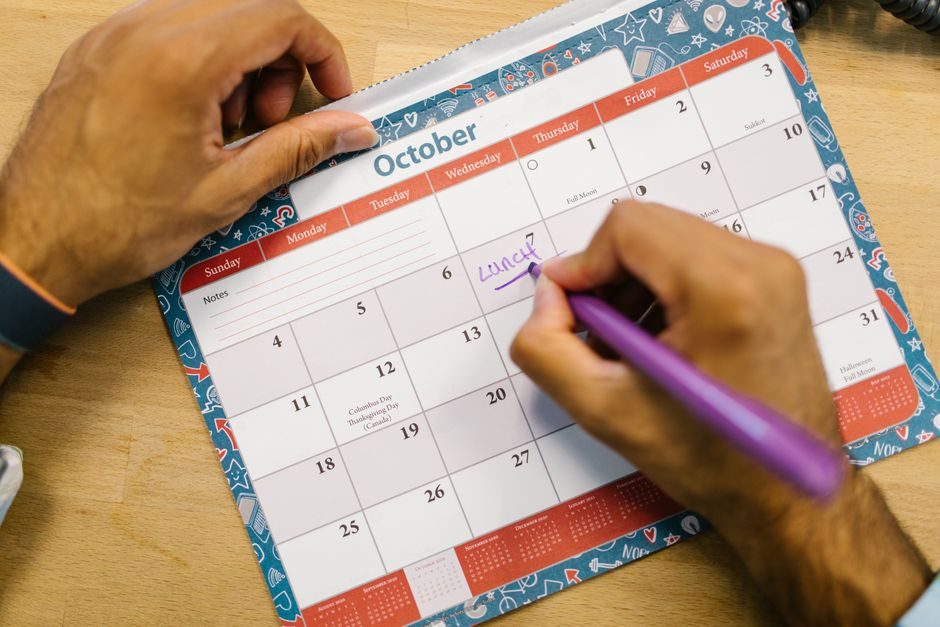
Timeline for event listings
Start by outlining your event date and what you want to highlight in the listing. Confirm the venue, time, and any exclusive fashion moments that will attract attendees. This helps you avoid last‑minute changes that disrupt styling and photography schedules. Kleinanzeige aufgeben in Deutschland works best when paired with eye-catching visuals and concise outfit ideas.
- ☐ Define the event date and primary style moment.
- ☐ List the key collaborators and roles.
- ☐ Set a realistic shoot and posting timeline.
- ☐ Review changes twice before publishing.
A clear timetable also informs your social media drip, so your posts align with the event day. Consider backup plans for weather, delays, or changes in guest lists. A practical calendar reduces stress and keeps your styling on track.
A well-planned listing supports a cohesive fashion narrative, from invitation to after‑party mood boards. It ensures your product shots, models, and makeup cues sync with the overall event theme.
- Set a fixed deadline for edits
- Prepare a one‑page summary for assistants
- Reserve shooting slots with photographers
- Create a quick approval loop
- Draft a teaser caption in advance
Fashion-aligned event options
Choosing compatible event types
Look for events that align with your brand’s style—trade shows, pop‑ups, or designer talks all can reflect current trends. Choose venues that echo your color palettes and fabric choices to extend your visual story. This alignment makes your listings feel authentic, not forced. Beileidsanzeige in Deutschland
Plan to showcase outfits that readers can replicate, such as capsule wardrobes or mix‑and‑match ensembles. Include details like fabric drape, tailoring nuances, and accessory pairings in captions. Your audience will appreciate a practical, ready‑to‑wear angle.
Highlight how attendance translates to wardrobe ideas, not just attendance numbers. A fashion‑forward listing should offer styling tips and takeaways that readers can apply next week.
- Pop‑up collaborations with designers
- Runway‑inspired styling sessions
- In‑store try‑on days with mirrors
- Local fashion talks with influencer panels
- Museum‑area launches with curated looks
Common missteps to avoid
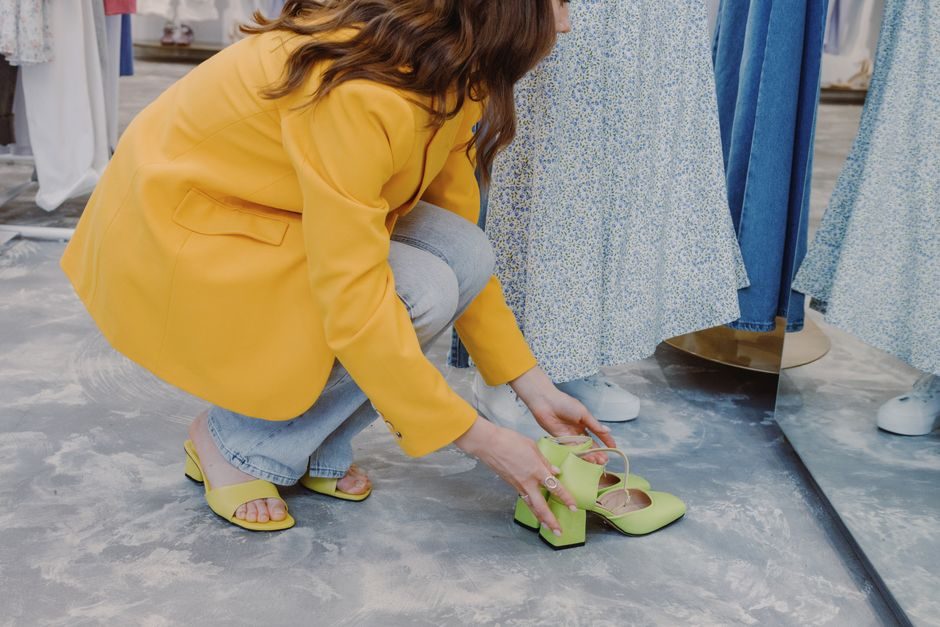
Overstuffing the listing
Too much information overwhelms readers and dilutes the fashion signal. Prioritize key details—date, place, dress code, and a styled image. Clear hierarchy helps readers skim and still get the gist.
- Overloading details with no focus.
- Using vague terms instead of concrete descriptions.
- Neglecting to confirm venue and time before publication
Avoid jargon or generic phrases that blur with other listings. Use specific styling notes, such as “tailored blazer with satin lapels” or “neon accents for evening photos.” This clarity makes your listing actionable.
Test the listing on a colleague who isn’t familiar with the event and adjust for missing details or confusing terms. Simplicity and precision reduce back‑and‑forth and let readers plan quickly.
- Stick to essentials
- Use precise styling language
- Check for jargon and ambiguity
- Ask a fresh reader to review
Pro tips for stylish listings
Photographic detail that sells
Use close‑ups of fabrics, textures, and tailoring to convey quality. Pair these with a full‑outfit shot to show how the pieces work together. This combination keeps the listing tactile and aspirational.
- Myth: Only big events need listings. Fact: Small local events can drive niche audiences who care about styling details.
- Myth: Every listing requires a photo shoot. Fact: A strong candid or behind‑the‑scenes image can work equally well.
Coordinate lighting to reflect the mood of the event—soft for elegance, bold for street‑style moments. Consistent lighting helps readers recognize your brand’s visual language across listings.
Caption templates can be prewritten to speed publishing while preserving voice. Include practical details like fabric care tips, care labels, and where to shop comparable pieces. This makes the listing helpful beyond the event itself.
- Close‑ups of fabric textures
- Full‑outfit styled shot
- Consistent lighting across photos
- Useful captions with care tips
- Prewritten template language
Frequently asked questions
Do I need to translate event details for an international audience?Provide essential dates, times, and dress code in English, then offer a localized version if you expect a multilingual readership. Keep core details consistent so readers don’t miss critical information. Use bullet points for quick scanning.
How far in advance should I publish a listing?Publish at least two weeks before the event to give readers time to plan outfits and schedules. Allow for a final edit in the week of the event, in case details change and photos need updating.
What makes a listing feel fashion‑forward rather than promotional?Focus on styling choices that readers can replicate, not sales talk. Include texture notes, color stories, and practical outfit ideas. A clear narrative about how the event informs style is more engaging.
Should I include attendance fees or RSVP requirements?Yes, if applicable, but keep fees and RSVP details concise. Direct readers to the official event page for the latest information, while summarizing the essentials in your listing.
Keep the calendar chic and simple
A well‑curated event listing strengthens your fashion calendar by tying in styling cues with real‑world happenings. Readers gain practical ideas they can carry into their own wardrobes, from color blocks to fabric textures. Treat every listing as a tiny editorial that clarifies how an event can influence what they wear next.
Next, refine your process by building a reusable checklist that covers timing, photography, captions, and post‑event follow‑ups. With consistent structure, your team can publish stylish, accurate listings fast and keep readers coming back for fresh inspiration.
Add Turkey–U.S. News: Politics, Trade, Culture & Business Ties as a preferred source on Google


