
Why Cultural Events Matter to Turkish American Communities
Cultural events help Turkish American communities share heritage, connect generations and welcome wider audiences. Learn how to choose a format and plan outreac

Cultural events matter because they give Turkish Americans shared ways to practise and pass on heritage, while creating connections among neighbours and across generations. A meal, concert, film screening or holiday gathering can make culture tangible for children and accessible to visitors. Thoughtful planning helps communities balance tradition, participation and a welcoming introduction to Turkish life.
These gatherings are not limited to large festivals or formal performances. A language activity at a library, a cooking demonstration or a conversation with local artists can bring people together in a manageable setting. The best format depends on the community’s goals, available volunteers and the audience it hopes to reach.
This guide explains what counts as a cultural event, how gatherings keep heritage present in everyday life, and which formats suit different audiences. It also offers practical considerations for choosing a venue, making participation welcoming and sharing event information beyond the community.
- Cultural events share Turkish heritage through activities people can experience and discuss together.
- Hands-on roles help children and young adults connect with traditions across generations.
- Choose a format that fits the event’s purpose, audience and volunteer capacity.
- Clear invitations, welcoming hosts and thoughtful partnerships help more people take part.
What Counts as a Cultural Event?
Culture Beyond the Stage
A cultural event brings people together around shared traditions, creative work or community experience. It may feature music and dance, but it can also centre on food, language, film, crafts, history or a holiday. The defining feature is not its size; it is the opportunity to encounter and share cultural meaning.
For Turkish American communities, a gathering might pair regional dishes with stories about how they are prepared, or show a Turkish film followed by a discussion. A children’s activity can introduce a traditional pattern or folk tale through making and conversation. These formats make participation possible for people with different interests and levels of familiarity.
Events can be hosted by cultural associations, schools, libraries, museums, faith communities or informal neighbourhood groups. Some are public, while others serve a particular community or celebrate a family milestone. Identifying the intended purpose and audience early helps organisers decide whether the event should teach, entertain, commemorate or create space for people to meet.
- Music, dance and theatre performances
- Food demonstrations and shared meals
- Film screenings and discussions
- Language, craft and history workshops
Shared Meaning and Participation
A gathering becomes cultural when people can connect its activities to memory, identity or exchange. A concert can offer more than entertainment if musicians explain an instrument or audience members learn about a song’s context. A community meal can invite guests to share recipes and the stories attached to them.
Participation need not mean taking the stage or speaking publicly. Visitors might listen, taste, watch a short demonstration or ask questions, while community members contribute as hosts, artists or storytellers. Offering several ways to take part can help children, older adults and newcomers feel included without putting anyone on the spot.
Organisers can clarify the event’s meaning in its invitation and opening remarks. A sentence explaining why a celebration matters, who shaped the programme or what guests will experience gives audiences a useful frame. That context supports understanding while leaving room for people to enjoy the event in their own way.
How Events Keep Heritage in Everyday Life
Passing Traditions Between Generations
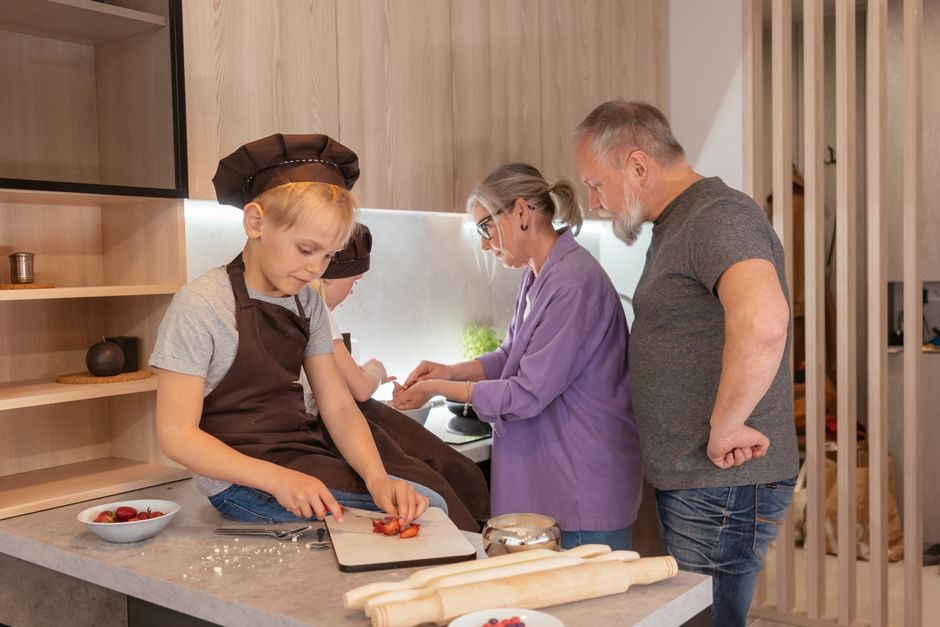
Events help heritage travel between generations by giving people a reason to practise traditions together, rather than only hear about them. Children can learn a song from relatives, help prepare a familiar dish or ask elders about a holiday custom. Repeated opportunities turn cultural knowledge into shared experience that families can carry home.
The most useful activities invite conversation as well as demonstration. A cooking session, for instance, can pair a recipe with questions about when it is served and how families adapt it. A craft table can let older participants show a technique while younger visitors experiment, compare results and learn the vocabulary connected to the work.
Organisers should avoid treating younger people only as an audience. Invite them to help select music, make signs, interview family members or present a short introduction. When young participants contribute choices and skills, they are more likely to see heritage as something they can shape and share, not simply receive.
- Invite elders to demonstrate a tradition
- Give children hands-on activities
- Ask young people to help plan
- Include space for family stories
Making Community Connections
A well-designed gathering can help Turkish Americans meet people beyond their usual circles. Shared activities give neighbours, students, colleagues and local organisations a natural reason to talk, even when they arrive without knowing anyone. A welcoming host, clear programme and opportunities for informal conversation can make those first introductions easier.
Partnerships with libraries, schools, arts groups or local cultural institutions can broaden participation and bring practical support. A library may offer a familiar venue, while an arts organisation can help connect performers with an audience. Agree in advance on responsibilities, publicity, accessibility and how each partner will describe the event.
Community groups seeking communications or marketing support can consult an seo agency directory to identify providers whose experience fits their needs. Keep the event’s purpose and audience central when considering outside help, and ask what work the group can manage itself. Clear roles prevent a small gathering from acquiring more planning tasks than volunteers can sustain.
Ways Turkish American Communities Celebrate
Arts, Food and Shared Stories
A programme combining arts, food and storytelling can show different sides of Turkish culture without asking one activity to carry the whole event. Live music or dance offers an immediate experience, while a film or reading can prompt discussion. Food demonstrations and personal stories give visitors another way to connect with the traditions behind the programme.
When comparing ways to share event information with interested readers, a guest posting service is one option to assess. First decide whether the group needs editorial coverage, a community calendar listing or direct invitations to local partners. The right approach depends on the audience, the event’s purpose and the people available to manage outreach.
A neighbourhood gathering might pair a short performance with a shared meal and a display of photographs or crafts. Visitors could move between activities rather than sit through a long programme, while hosts explain what they are seeing. This kind of mix suits groups that want conversation and discovery alongside a central performance.
- Pair performances with short introductions
- Offer a food demonstration or tasting
- Screen a film and host discussion
- Display crafts with makers present
| Format | Works well for | Example activity |
|---|---|---|
| Performance | Shared artistic experience | Music or dance |
| Workshop | Hands-on learning | Craft or language activity |
| Film and discussion | Conversation and reflection | Screening with audience questions |
| Community meal | Informal connection | Food and family stories |
Celebrations with a Clear Focus
A focused event can be easier to plan and more memorable than a programme trying to represent everything at once. A gathering might centre on a regional food tradition, a Turkish film, a local artist or a seasonal celebration. Choosing one clear theme helps organisers select activities, invite contributors and explain the event to potential guests.
Cultural groups can also mark occasions through collaborations with schools, museums or civic organisations. A language workshop at a school, for example, can give students a practical introduction to Turkish words and customs. A museum event might connect objects or images with the experiences of Turkish American families in the surrounding community.
The format should respect the meaning of the occasion and the people who observe it. If an event includes religious or family traditions, consult community members about what is appropriate to share publicly. Make the invitation clear about the programme and any participation expectations, so guests can attend with understanding rather than guesswork.
Choose an event format by starting with what the group wants guests to do or understand.
Choosing an Event Format and Audience
Match Format to Purpose
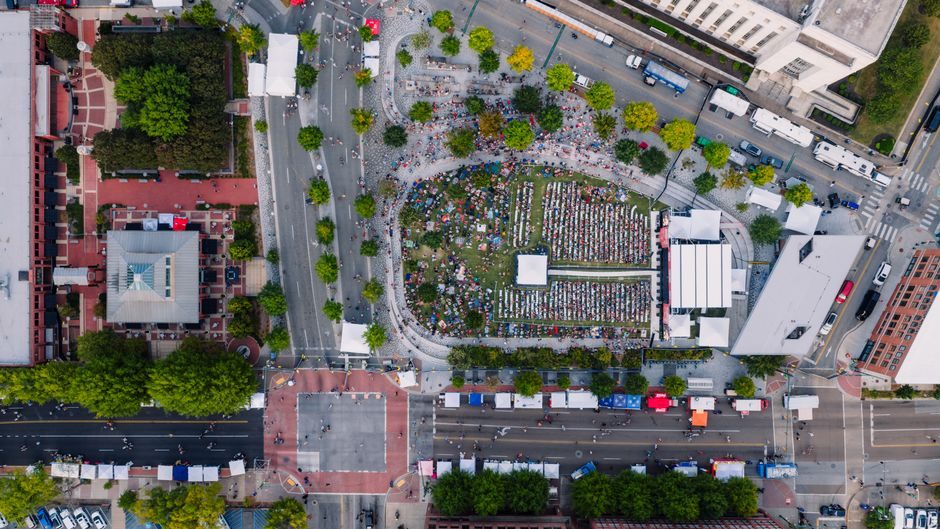
Choose an event format by starting with what the group wants guests to do or understand. A workshop suits hands-on learning, while a performance can bring a larger audience together around music or dance. A discussion works well when the aim is to exchange perspectives, and a shared meal can create room for informal connection.
A group planning to reach a wider UK audience may consider press release distribution uk as one possible announcement channel. Before choosing it, define which communities the event is for and what information a broader audience needs. A local gathering may be better served by partner newsletters, community noticeboards or direct invitations.
Practical limits matter as much as ambition. Consider the venue’s accessibility, the volunteers’ capacity, the equipment required and whether the programme can work for families or people arriving at different times. A modest event that runs smoothly can build trust and give organisers a sound basis for future gatherings.
- Set one main purpose for the event
- Choose activities that serve that purpose
- Check venue access and equipment
- Match the programme to volunteer capacity
Design for the People Attending
Think about who is likely to attend and what will help them feel welcome. Families may value a clear schedule and activities for children, while first-time visitors may appreciate a brief explanation of traditions or a host who can answer questions. Community members should be able to participate without feeling that they must represent everyone.
Publicity should make essential details easy to find: the event’s purpose, location, timing, access information, language of activities and any registration requirements. Use wording that tells guests what they can expect, rather than relying on insider terms. Share the invitation through organisations and channels already used by the intended audience.
Plan a simple way to learn what worked after the event. Volunteers can note which activities drew participation, where guests needed more information and whether the venue supported conversation. A short follow-up with partners and attendees can guide the next programme, while keeping feedback focused on useful changes rather than judging the gathering by crowd size alone.
Working With Community Partners
Build a Shared Plan
Agree on the event’s purpose before asking partners to contribute. A cultural association may want to pass on traditions, while a school may be focused on student participation; identifying shared aims helps both groups shape a useful program. For groups exploring publishing and outreach options, MediaKit.uk can be reviewed alongside event plans.
- ☐ Write down one shared event goal.
- ☐ Name a lead contact for each partner.
- ☐ Confirm responsibilities and deadlines.
- ☐ Agree on how changes will be approved.
Make each partner’s role specific, with one person responsible for decisions and one clear contact for updates. A local cultural organization might coordinate performers, while a school arranges rooms and family notices. Put deadlines, equipment needs, and approval steps in writing so that assumptions do not become last-minute disagreements.
Invite partners who bring different forms of local knowledge, not simply the largest organizations. A Turkish-language school, neighborhood association, library, or university group may each reach people the others miss. Before confirming a partner, discuss the intended audience, accessibility needs, and whether the event will be free or require registration.
Coordinate Contributions Clearly
Ask contributors what they can provide and what they need in return before finalizing the program. A musician may need sound checks and a suitable performance space, while a food vendor may need serving tables and clear setup times. Early conversations let organizers build a realistic schedule around those requirements.
Share one current event brief with everyone involved, and update it when details change. Include the venue, timings, audience, program order, contact information, and any rules for photography or food service. A single reliable document reduces conflicting messages and gives volunteers a practical reference on event day.
Recognize partners publicly in ways that match their contribution and preferences. Some may welcome a mention in printed programs; others may prefer a brief introduction from the stage. Confirm names, organization titles, and pronunciation in advance, especially when the event brings together Turkish and American institutions.
Reaching People Beyond Your Regular Audience
Make the Invitation Accessible
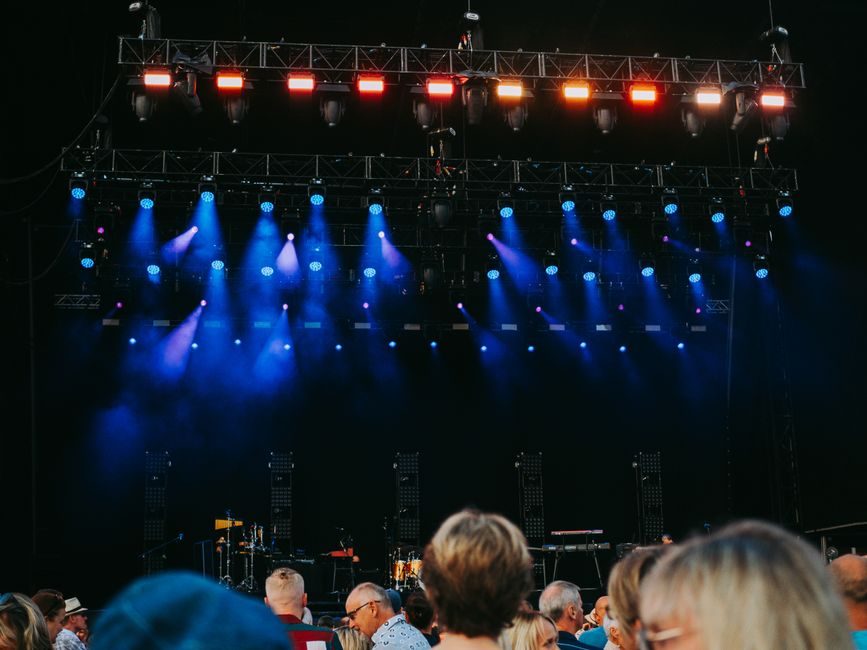
Explain what visitors will experience, rather than assuming they already know Turkish customs or event terminology. Describe the program in plain language, identify whether activities are suitable for children, and state how long the event lasts. Organizers seeking broader coverage for a public event may consider options to buy sponsored posts as part of their outreach.
- Define the audience beyond existing members.
- Prepare one accurate event description.
- Share it through relevant community channels.
- Check that each version has current details.
Use channels that match the people you hope to reach. A neighborhood library may share a family event through its calendar, while a university association can circulate details among students and faculty. Ask partners to share the same approved description, image, date, and registration instructions so that the invitation stays consistent.
Offer essential information in Turkish and English when the audience includes speakers of both languages. Keep the translation natural, and check that practical details such as venue access and registration are identical in each version. If translation resources are limited, prioritize the event description, arrival instructions, and any safety guidance.
- State the event’s purpose in one clear sentence.
- Include location, timing, and registration details.
- Describe access and family arrangements.
- Prepare matching Turkish and English notices.
Welcome First-Time Visitors
Give newcomers a clear point of arrival so they are not left to work out where to go. Greeters can explain the schedule, direct people to seating, and answer basic questions without expecting visitors to know the community. A simple printed program also helps people follow unfamiliar performances or activities.
Introduce cultural elements with enough context to invite interest without turning the event into a lecture. Before a dance performance, for example, a host can briefly explain its regional or social setting. This makes the experience more approachable while leaving room for performers and community members to share their own perspectives.
Make space for conversation after the formal program, since informal exchanges often help visitors feel connected. A shared refreshment area or a short question period can encourage people to speak with artists and organizers. Let guests know whether food is available, whether it is included, and how to ask about ingredients.
Common Planning Pitfalls to Avoid
Prevent Last-Minute Confusion
Set a firm planning timeline and assign an owner to each task, rather than relying on general reminders. Confirm the venue, performers, equipment, and any required permissions before promoting the program. Organizations coordinating communications across partners may find white label link building relevant to broader outreach planning.
Build a schedule that includes setup, sound checks, breaks, and cleanup, not just the public-facing program. If a performance runs late, a buffer can protect the rest of the event. Share the run sheet with presenters and volunteers, and identify who can make timing decisions on the day.
Check venue rules directly instead of assuming familiar arrangements will be allowed. Ask about food service, decorations, sound levels, capacity, accessibility, and insurance requirements where applicable. Keep written confirmations with the event documents, so a change in staff or volunteer roles does not leave key details unclear.
Avoid Narrow Representation
Do not present one performance, dish, or regional tradition as the whole of Turkish culture. Türkiye’s communities have varied regional, linguistic, religious, and family experiences, and diaspora audiences may reflect that range. A thoughtful program can name the specific tradition being shared and leave room for more than one perspective.
Consult people with relevant knowledge before using cultural symbols, historical references, or translated material. A community member can often identify a mistaken spelling or explain why a particular image may be misunderstood. Treat review as part of preparation, not as a final check after posters and programs have already been printed.
Avoid building a program around volunteers’ unpaid labor without discussing expectations. Ask contributors about time, transport, equipment, and other practical needs, then make clear what support the organizers can offer. When resources are limited, a smaller program with reliable arrangements is better than a broad promise that participants must carry themselves.
Practical Tips for a Welcoming Event
Plan for Comfort and Access
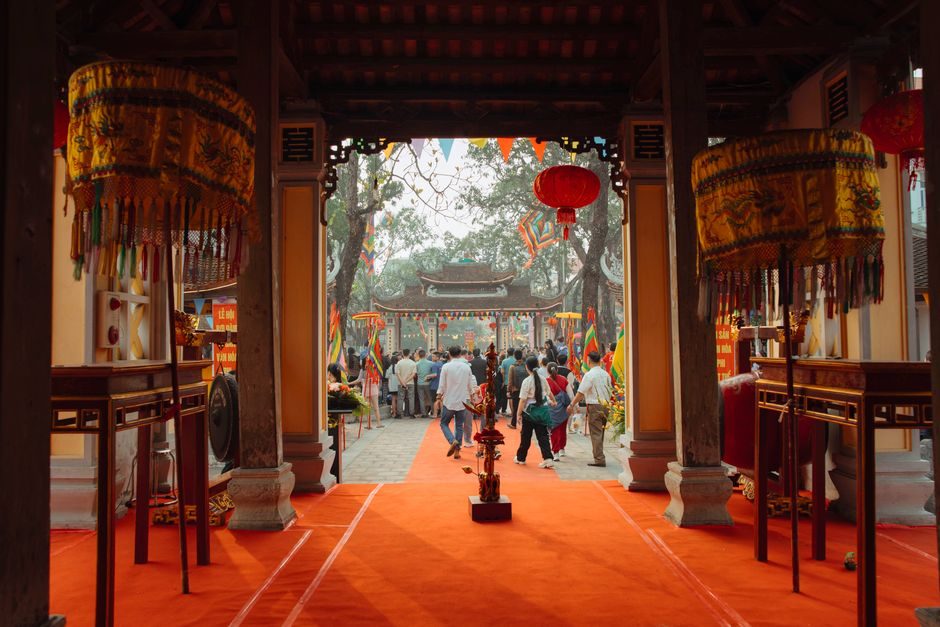
Make the route from arrival to seating easy to understand, and check it from a visitor’s point of view. Clear signs can direct guests to entrances, restrooms, registration, and activity areas. Confirm that the venue can accommodate mobility needs, and tell guests whom to contact if they need an arrangement in advance.
- Make arrival and movement through the venue straightforward.
- Build rest and conversation into the schedule.
- Share practical access and food details before the event.
Use a program that balances performances with time to move, eat, and talk. A long sequence of stage items can tire families and leave little opportunity for conversation, while generous breaks keep the event comfortable. Tell attendees when they should arrive and whether late entry is possible without disrupting the program.
Prepare for different dietary and sensory needs with clear information, not guesses. Label food ingredients when details are available, provide a quieter place to step away if the venue allows, and avoid unnecessarily loud sound checks near guests. If an accommodation cannot be provided, explain the limitation before people make plans to attend.
- Mark entrances and key facilities clearly.
- Check seating and routes for accessibility.
- Schedule breaks between program elements.
- Share food and venue information in advance.
Help Guests Connect
Give attendees a natural way to take part, whether or not they know anyone there. A hands-on craft table, a short dance demonstration, or a children’s activity can make cultural exchange more comfortable than expecting guests to start conversations. Explain activities clearly and make participation optional.
Train volunteers to welcome questions without treating any one person as a spokesperson for all Turkish Americans. A useful response can acknowledge that customs differ by region and family, then invite the relevant performer or organizer to add context. This approach respects individual experience and keeps explanations accurate.
After the event, thank contributors and ask attendees what worked for them. A short follow-up message can include photos only when participants have agreed to be shown, along with details of future community activities. Note practical lessons while they are fresh, such as where queues formed or which directions guests found unclear.
Frequently asked questions
How can a small community group plan an event with limited volunteers?Choose a format that fits the people and resources already available, such as a short cultural program at a library or community center. Assign a lead for each essential task, recruit partners for specific needs, and avoid adding activities that require more staffing than you can confirm. A clear, modest program is easier to deliver well than an ambitious schedule with unfilled roles.
How can organizers represent Turkish culture accurately?Be specific about the traditions, region, or community being presented instead of implying that one event represents everyone. Invite knowledgeable participants to review descriptions, translations, and program details, and let performers explain their own work where appropriate. If perspectives differ, acknowledge that openly; variation within Turkish communities is part of an accurate account, not a problem to smooth over.
What information should an event announcement include?Include the event’s purpose, date and time, venue, arrival instructions, registration details, and a way to contact an organizer. Explain what visitors can expect, whether children are welcome, and what access or food information is available. If the program is offered in Turkish and English, make sure both versions give the same practical details and are updated together.
How can organizers tell whether an event connected with its audience?Look beyond attendance and consider whether people could participate, understand the program, and find the event welcoming. Ask guests and partners a few focused questions afterward, such as which activity they found meaningful and what would make arrival easier next time. Combine that feedback with volunteer observations about timing, access, and conversation, then use the findings to shape the next gathering.
Keeping Community Connections Growing
Cultural events matter because they make heritage something people can experience together, not only remember privately. They give Turkish American families opportunities to share traditions across generations, and they offer neighbors a welcoming way to encounter Turkish culture directly. Strong partnerships, clear invitations, thoughtful representation, and practical attention to access help those gatherings serve both familiar faces and first-time visitors.
Start with one achievable event goal and invite partners whose knowledge or networks can help meet it. Agree on responsibilities, prepare a clear program and announcement, then ask participants what they would change. That simple cycle—plan together, welcome people well, and learn afterward—can turn a single gathering into a stronger connection between Turkish American communities and the wider public.
Add Turkey–U.S. News: Politics, Trade, Culture & Business Ties as a preferred source on Google

