
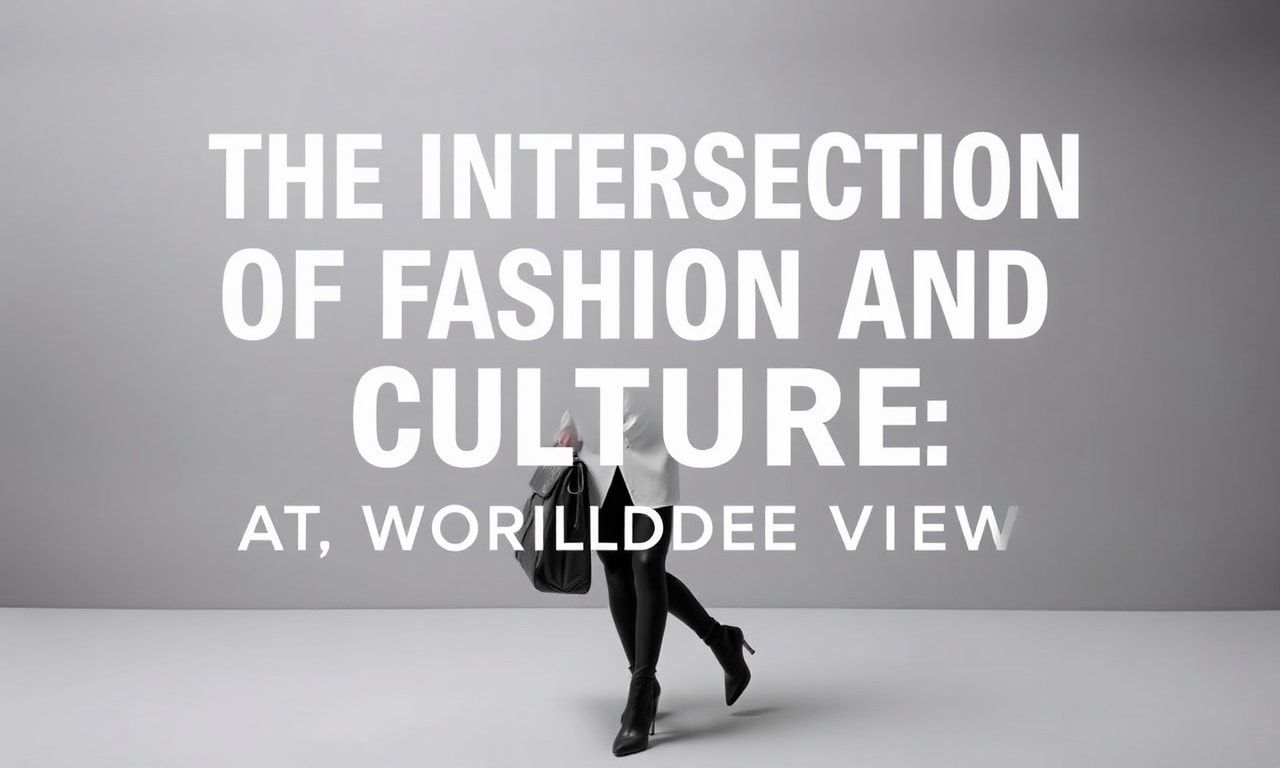
The Influence of Culture on Fashion
Fashion is a universal language that transcends borders and cultures. It is a powerful medium of self-expression that reflects the values, traditions, and history of a society. The interplay between fashion and culture is a fascinating subject that offers insights into the evolving trends and styles that dominate the global fashion landscape. In this article, we will explore how different cultures influence fashion and how these influences are manifested in contemporary styles.
Traditional Attire and Modern Fashion
Traditional attire from various cultures has significantly impacted modern fashion. For instance, the kimono from Japan, the sari from India, and the hanbok from Korea have inspired numerous designers to incorporate their elegant silhouettes and intricate details into contemporary clothing. These traditional garments often feature vibrant colors, intricate embroidery, and unique patterns that add a touch of cultural richness to modern fashion. Designers often reinterpret these traditional elements to create fusion wear that appeals to a global audience.
In recent years, there has been a growing appreciation for sustainable and ethical fashion. Many designers are now looking to traditional craftsmanship and techniques to create eco-friendly clothing. For example, the use of natural dyes and handwoven fabrics is gaining popularity as consumers become more conscious of the environmental impact of their fashion choices. This shift towards sustainability is not only beneficial for the planet but also helps preserve traditional craftsmanship and cultural heritage.
The Role of Festivals and Celebrations
Festivals and celebrations play a crucial role in shaping fashion trends. These events often showcase traditional attire and customs, which can inspire new fashion trends. For instance, the vibrant colors and intricate designs of Indian wedding attire have influenced global bridal fashion. Similarly, the traditional costumes worn during Chinese New Year and other cultural festivals have inspired contemporary designers to create unique and festive collections.
Fashion shows and exhibitions also provide a platform for designers to showcase their cultural influences. Events like the Tokyo Fashion Week, Paris Fashion Week, and New York Fashion Week often feature collections that draw inspiration from various cultures. These shows not only highlight the diversity of global fashion but also promote cultural exchange and appreciation.
Globalization and Cultural Exchange
Globalization has facilitated the exchange of cultural influences in fashion. With the rise of social media and e-commerce, fashion trends can spread rapidly across the globe. Designers and consumers alike can easily access and draw inspiration from different cultures, leading to a more diverse and inclusive fashion landscape. This cultural exchange has led to the emergence of new styles and trends that blend elements from various cultures.
For example, the popularity of streetwear in the West has been influenced by Japanese street fashion, particularly the Harajuku style. Similarly, the rise of athleisure wear can be traced back to the influence of sportswear from different cultures. This cultural exchange has not only enriched the fashion industry but also fostered a greater understanding and appreciation of different cultures.
Challenges and Considerations
While the influence of culture on fashion is largely positive, it is important to approach cultural influences with respect and sensitivity. Cultural appropriation is a significant concern in the fashion industry, where elements of a culture are used without permission or understanding, often leading to offense and controversy. Designers must be mindful of the cultural significance of the elements they incorporate into their designs and ensure that they are used respectfully and appropriately.
Moreover, the fashion industry must also address the issue of representation and inclusivity. It is crucial to celebrate and showcase the diversity of cultures in fashion, ensuring that all voices are heard and represented. This includes not only the designs but also the models and designers who represent different cultures. By promoting inclusivity, the fashion industry can create a more equitable and respectful environment for all.
The Future of Cultural Influence in Fashion
As the world becomes increasingly interconnected, the influence of culture on fashion will continue to evolve. The future of fashion lies in the celebration of diversity and the promotion of cultural exchange. Designers will continue to draw inspiration from various cultures, creating unique and innovative designs that reflect the rich tapestry of global fashion. Consumers will also play a crucial role in shaping the future of fashion by supporting sustainable and ethical practices and promoting cultural appreciation.
In conclusion, the intersection of fashion and culture is a dynamic and ever-evolving subject. It offers a glimpse into the rich tapestry of global fashion and the diverse influences that shape it. By embracing cultural influences with respect and sensitivity, the fashion industry can create a more inclusive and equitable environment that celebrates the beauty and diversity of global cultures. For the latest updates on cultural influences in fashion, you can stay informed with sources like Liverpool news today latest.
Before you jet off to your next destination, ensure your travel wardrobe is on point with our comprehensive guide to packing stylishly for trips.
Discover the enduring allure of a classic accessory with our feature on pearl necklaces’ timeless charm, a must-read for every fashion enthusiast.
Discover how Paris is redefining activewear fashion by blending classic elegance with cutting-edge sportswear trends in our feature, Paris’ sporty style evolution.