
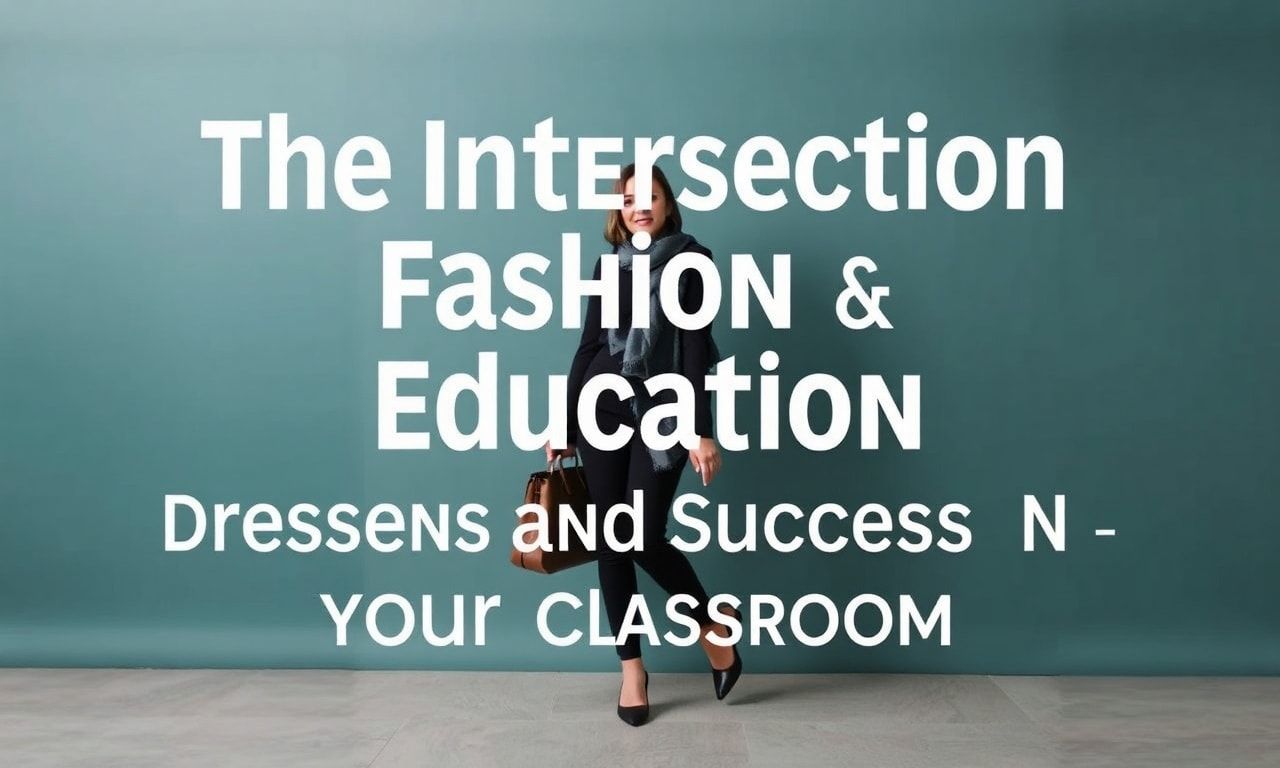
The Power of Dressing Well in Educational Settings
Fashion is not just about looking good; it’s about feeling confident and presenting yourself in a way that commands respect. This principle applies to various aspects of life, including educational settings. Whether you’re a student, teacher, or administrator, the way you dress can significantly impact your performance and how others perceive you. In this article, we’ll explore the intersection of fashion and education, providing tips on how to dress for success in the classroom.
Understanding the Importance of Dress Codes
Many educational institutions have dress codes, and for good reason. Dress codes help maintain a professional and respectful environment, fostering a sense of discipline and focus. For students, adhering to dress codes can improve behavior and academic performance. For teachers, dressing professionally can enhance their credibility and authority in the classroom. Understanding and respecting these dress codes is the first step in dressing for success in educational settings.
Dressing for Different Roles in Education
Different roles in education call for different dress styles. Here are some tips tailored to specific roles:
- Students: Opt for comfortable yet stylish clothing that adheres to your school’s dress code. Think classic pieces like polo shirts, khakis, and modest dresses. Accessorize with tasteful jewelry and a stylish backpack to complete your look.
- Teachers: Aim for a professional and approachable look. Business casual attire, such as blouses, dress pants, and blazers, works well. Avoid overly casual items like flip-flops and ripped jeans.
- Administrators: As leaders in the educational setting, administrators should dress in a manner that reflects their authority. Suits, dress shirts, and professional attire are ideal.
The Impact of Fashion on Learning and Teaching
Research has shown that what we wear can influence our cognitive processes and behavior. For students, dressing in a manner that aligns with the expectations of the educational setting can enhance focus and discipline. For teachers, dressing professionally can boost confidence and improve teaching effectiveness. In essence, fashion can be a powerful tool in the educational environment, shaping both learning and teaching experiences.
For more insights into the educational landscape, including the latest trends and news, check out New York schools education news. This resource provides valuable information on various aspects of education, helping you stay informed and inspired.
Building a Capsule Wardrobe for Educational Settings
A capsule wardrobe is a collection of essential and versatile pieces that can be mixed and matched to create multiple outfits. Building a capsule wardrobe for educational settings can simplify your mornings and ensure you always look polished and put-together. Here are some key pieces to include:
- Classic button-down shirts
- Tailored pants or skirts
- Blazers or cardigans
- Comfortable yet stylish shoes
- Modest dresses or jumpsuits
Accessories That Elevate Your Educational Look
Accessories can add a touch of personality and style to your educational look. Here are some accessories to consider:
- Jewelry: Opt for simple and elegant pieces like stud earrings, delicate necklaces, and a classic watch.
- Bags: Choose a stylish and functional bag that can hold all your essentials. Backpacks, tote bags, and messenger bags are popular choices.
- Scarves and Hats: These can add a pop of color and style to your outfit, especially during colder months.
The Role of Comfort in Educational Fashion
While looking good is important, comfort should not be overlooked. You want to feel at ease and focused throughout the day. Choose fabrics that are breathable and comfortable, such as cotton, linen, and lightweight wool. Avoid overly restrictive clothing that can hinder movement and concentration.
In conclusion, fashion plays a significant role in educational settings. By dressing appropriately and stylishly, you can enhance your performance, boost your confidence, and make a positive impression. Whether you’re a student, teacher, or administrator, the way you dress can impact your educational journey in meaningful ways.