
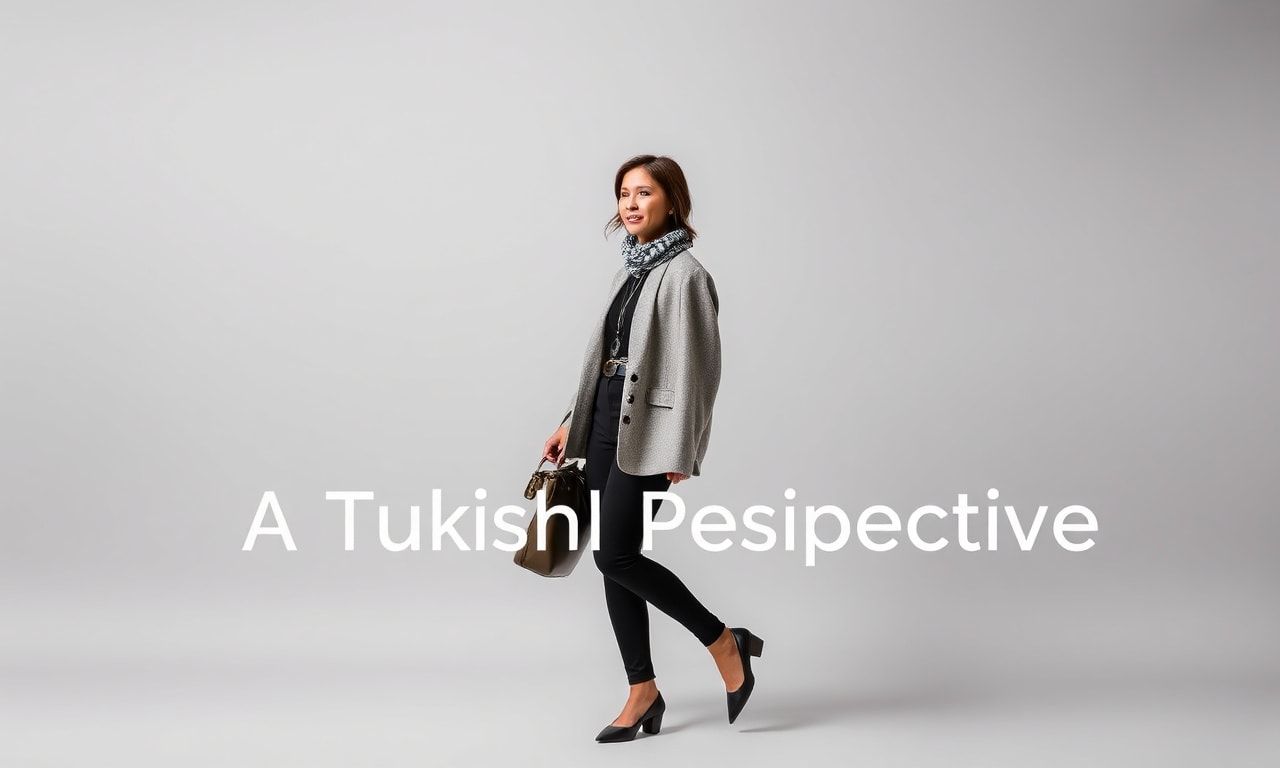
The Evolution of Fashion in Turkey
The fashion landscape in Turkey has undergone a significant transformation over the past few decades. From traditional garments to contemporary styles, Turkish fashion has become a blend of cultural heritage and modern trends. This evolution is not just a local phenomenon but is also influenced by global fashion trends, making Turkey a unique player in the international fashion scene.
The Rise of Turkish Brands
Turkey has seen a surge in homegrown fashion brands that are making waves both locally and internationally. Brands like Mavi, Vakko, and LC Waikiki have gained recognition for their quality and innovative designs. These brands have successfully combined traditional Turkish elements with modern aesthetics, creating a unique identity in the global market. The rise of these brands has also contributed to the growth of the Turkish fashion industry, making it a significant contributor to the country’s economy.
Global Influences on Turkish Fashion
Turkish fashion is not isolated; it is deeply influenced by global trends. The country’s strategic location between Europe and Asia makes it a melting pot of diverse cultural influences. This is evident in the fashion choices of Turkish consumers, who are increasingly embracing international trends while maintaining their unique style. The influence of global fashion is also seen in the increasing number of international fashion brands entering the Turkish market, providing consumers with a wider range of choices.
One of the key aspects of global influence on Turkish fashion is the adoption of sustainable and ethical practices. As the world becomes more conscious of the environmental impact of the fashion industry, Turkish designers and brands are also embracing sustainability. This shift is not only driven by consumer demand but also by the need to align with global standards and trends.
For those interested in understanding the broader economic context, exploring Indian market trends and investment strategies for 2026 can provide valuable insights into how global fashion trends are shaping investment opportunities in emerging markets.
The Role of Technology in Fashion
Technology has revolutionized the fashion industry, and Turkey is no exception. The rise of e-commerce has made fashion more accessible to consumers, allowing them to shop from the comfort of their homes. Social media platforms like Instagram and Pinterest have also played a significant role in shaping fashion trends, providing a platform for designers and influencers to showcase their work and connect with a global audience.
Moreover, technology has enabled Turkish designers to reach a global audience, breaking down geographical barriers. Virtual fashion shows, online marketplaces, and digital marketing have become essential tools for Turkish fashion brands to expand their reach and grow their customer base. The integration of technology in the fashion industry has not only enhanced the shopping experience but has also created new opportunities for innovation and creativity.
Fashion and Cultural Identity
Fashion in Turkey is deeply rooted in cultural identity. Traditional Turkish garments, such as the fez and the shalvar, continue to be worn on special occasions and are a source of national pride. The fusion of traditional and modern elements in Turkish fashion reflects the country’s rich cultural heritage and its ability to adapt to changing trends.
This cultural identity is also reflected in the work of Turkish designers, who often draw inspiration from traditional motifs and techniques. By blending traditional elements with contemporary designs, Turkish fashion creates a unique aesthetic that resonates with both local and international audiences. This fusion of old and new is a testament to the dynamic nature of Turkish fashion and its ability to evolve while staying true to its roots.
The Future of Turkish Fashion
The future of Turkish fashion looks promising, with a growing number of designers and brands gaining international recognition. The country’s strategic location, rich cultural heritage, and embrace of technology position it as a key player in the global fashion industry. As Turkish fashion continues to evolve, it is poised to make a significant impact on the international stage.
Moreover, the increasing focus on sustainability and ethical practices is likely to shape the future of Turkish fashion. As consumers become more conscious of the environmental impact of their purchases, Turkish brands that prioritize sustainability are likely to gain a competitive edge. This shift towards sustainability is not only beneficial for the environment but also for the long-term growth and success of the Turkish fashion industry.
Conclusion
Turkish fashion is a dynamic and evolving industry that blends cultural heritage with modern trends. The rise of homegrown brands, the influence of global trends, the role of technology, and the emphasis on cultural identity all contribute to the unique identity of Turkish fashion. As the industry continues to grow and adapt, it is poised to make a significant impact on the global fashion scene. For those interested in the broader economic context, exploring Indian market trends and investment strategies for 2026 can provide valuable insights into the opportunities and challenges facing the fashion industry in emerging markets.