
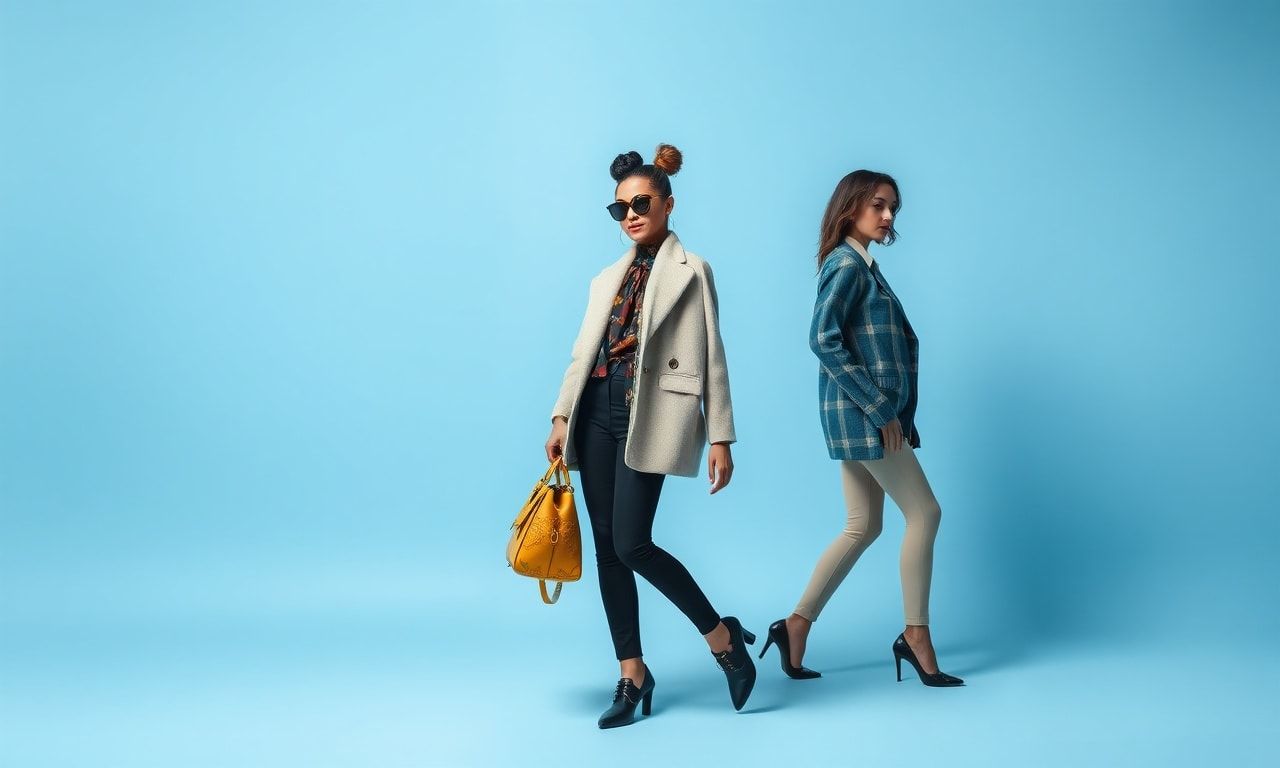
The Influence of Pop Culture on Fashion Trends
Fashion and pop culture have always been intertwined, with each influencing the other in a dynamic dance of trends and styles. From the glamorous red carpets to the streets, pop culture has a profound impact on what we wear. This symbiotic relationship is evident in various aspects of fashion, from high-end couture to everyday streetwear.
The Silver Screen and Runway Connection
The silver screen has long been a source of inspiration for fashion designers. Iconic films like “Breakfast at Tiffany’s” and “Clueless” have left an indelible mark on fashion history. Audrey Hepburn’s little black dress and Cher’s yellow plaid suit are just a few examples of how cinema has shaped our wardrobes. Designers often draw inspiration from these cinematic moments, translating them into collections that resonate with audiences worldwide.
Moreover, the collaboration between film and fashion extends beyond inspiration. Many designers now create costumes for films, blurring the lines between costume design and high fashion. This collaboration not only enhances the visual appeal of movies but also brings fresh perspectives to the fashion industry.
Music and Fashion: A Harmonious Blend
The music industry has also played a significant role in shaping fashion trends. From the rebellious styles of punk rock to the glamorous outfits of pop stars, music has always been a catalyst for fashion evolution. Artists like David Bowie and Madonna have been trendsetters, pushing the boundaries of fashion with their unique styles.
Today, music festivals and concerts are not just about the music; they are also about the fashion. Festival-goers often dress in bohemian chic or edgy streetwear, creating a vibrant tapestry of styles. This fusion of music and fashion has given rise to new trends, making it a fascinating area to explore.
The Digital Age and Fashion
In the digital age, social media platforms like Instagram and TikTok have become powerful tools for disseminating fashion trends. Influencers and celebrities share their outfits, inspiring millions of followers to adopt similar styles. This rapid dissemination of trends has made fashion more accessible and democratic, allowing everyone to participate in the global fashion conversation.
Additionally, the rise of e-commerce has revolutionized the way we shop for fashion. Online retailers offer a vast array of styles, making it easier for consumers to find and purchase the latest trends. This convenience has further fueled the growth of the fashion industry, making it a dynamic and ever-evolving landscape.
The Role of Sports in Fashion
Sports have also made a significant impact on fashion. Athletic wear has transcended the boundaries of the gym and the playing field, becoming a staple in everyday wardrobes. Brands like Nike and Adidas have successfully merged sportswear with high fashion, creating collections that are both functional and stylish.
For instance, the rise of athleisure has been a game-changer in the fashion industry. Comfortable yet stylish, athleisure wear has become a wardrobe essential for many. This trend has been fueled by the popularity of fitness culture and the desire for comfortable, versatile clothing. Moreover, the transfer news rumors update often features athletes who are not just sports icons but also fashion trendsetters, influencing the way we dress both on and off the field.
Sustainability and Ethical Fashion
As awareness about environmental issues grows, sustainability has become a key focus in the fashion industry. Consumers are increasingly demanding eco-friendly and ethically produced clothing. This shift has led to the rise of sustainable fashion brands that prioritize environmental and social responsibility.
Designers are now exploring innovative materials and production methods to create sustainable fashion. From recycled fabrics to upcycled materials, the fashion industry is embracing sustainability as a core value. This shift towards ethical fashion is not just a trend; it is a necessary evolution that reflects the values of a new generation of consumers.
In conclusion, the intersection of fashion and pop culture is a rich tapestry of influences and trends. From the silver screen to the music industry, from sports to the digital age, fashion continues to evolve and adapt. As we move forward, the focus on sustainability and ethical practices will shape the future of fashion, making it a more responsible and inclusive industry.
Discover how the worlds of sports and style collide in our latest feature, sporty-chic fashion trends, and learn how to incorporate these dynamic looks into your everyday wardrobe.
As we navigate the ever-changing landscape of style and self-expression, it’s crucial to understand the foundations of our learning. Discover why our education system might be holding us back in the elephant in education.