
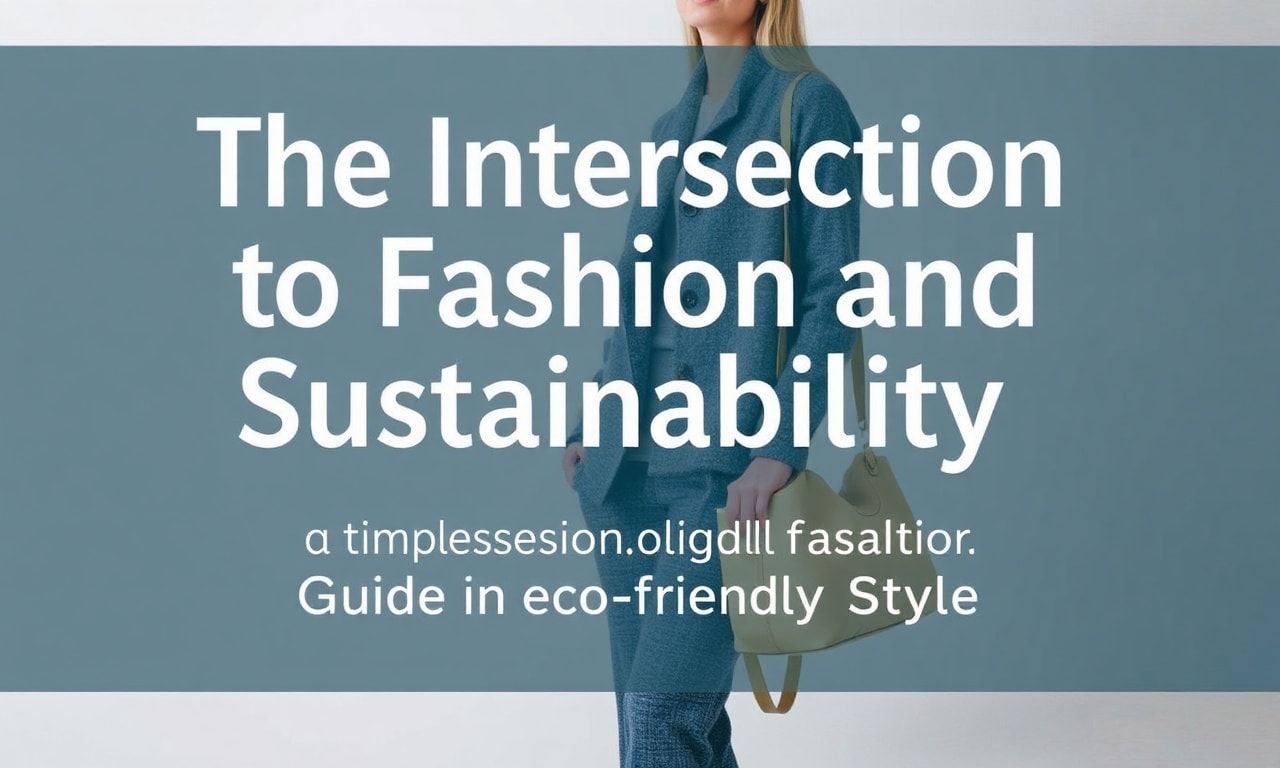
The Rise of Sustainable Fashion
The fashion industry is undergoing a significant transformation, with sustainability taking center stage. As consumers become more environmentally conscious, the demand for eco-friendly fashion has surged. This shift is not just a trend but a movement towards a more responsible and ethical approach to style. Sustainable fashion focuses on minimizing the environmental impact of clothing production, from sourcing materials to the final product. Brands are increasingly adopting practices that reduce waste, use renewable resources, and ensure fair labor conditions.
Key Elements of Sustainable Fashion
Sustainable fashion encompasses several key elements that set it apart from traditional fashion. These include:
- Eco-Friendly Materials: Using organic, recycled, or upcycled materials reduces the environmental footprint of clothing.
- Ethical Production: Ensuring fair wages and safe working conditions for workers in the supply chain.
- Minimal Waste: Implementing zero-waste patterns and recycling initiatives to minimize textile waste.
- Durability: Creating high-quality, long-lasting garments that reduce the need for frequent replacements.
By incorporating these elements, fashion brands can contribute to a healthier planet while still delivering stylish and desirable products. Consumers are also playing a crucial role by supporting these brands and making more conscious purchasing decisions.
The Role of Technology in Sustainable Fashion
Technology is playing a pivotal role in advancing sustainable fashion. Innovations such as 3D printing, digital design, and virtual try-ons are reducing the need for physical samples and excess inventory. Additionally, advancements in textile technology are leading to the development of new, eco-friendly materials. For example, fabrics made from recycled plastic bottles or agricultural waste are becoming more common. These innovations not only reduce environmental impact but also offer unique and sustainable options for consumers.
Moreover, the rise of e-commerce platforms has made it easier for consumers to access sustainable fashion brands. These platforms often provide detailed information about the brand’s sustainability practices, allowing consumers to make informed choices. This transparency is crucial in building trust and encouraging more people to adopt sustainable fashion.
Sustainable Fashion and Personal Style
One of the misconceptions about sustainable fashion is that it compromises on style. However, this is far from the truth. Sustainable fashion offers a wide range of stylish and trendy options that cater to diverse tastes. Whether you prefer classic, minimalist, or bold and eclectic styles, there are sustainable brands that align with your aesthetic. The key is to look for brands that prioritize both sustainability and design.
Another aspect of sustainable fashion is the concept of ‘slow fashion.’ Unlike fast fashion, which encourages frequent purchases of cheap, disposable clothing, slow fashion promotes a more mindful approach to shopping. It encourages consumers to invest in high-quality, timeless pieces that can be worn for years. This not only reduces waste but also helps in building a more curated and personalized wardrobe.
Sustainable Fashion and Lifestyle Choices
Adopting sustainable fashion is just one part of a broader lifestyle choice. It often goes hand in hand with other eco-friendly practices, such as using a comparison of electric bikes for comfort and performance to reduce carbon emissions, choosing reusable products, and supporting local and ethical businesses. These lifestyle choices collectively contribute to a more sustainable and responsible way of living.
For instance, choosing to walk, cycle, or use public transportation instead of driving can significantly reduce your carbon footprint. Similarly, opting for reusable shopping bags, water bottles, and containers can minimize plastic waste. These small changes, when combined with sustainable fashion choices, can have a substantial positive impact on the environment.
Tips for Building a Sustainable Wardrobe
Building a sustainable wardrobe is easier than you might think. Here are some practical tips to get you started:
- Assess Your Current Wardrobe: Begin by evaluating the clothes you already own. Identify items that you wear frequently and those that you rarely use. Consider donating or selling the latter to reduce waste.
- Invest in Quality: Instead of buying multiple cheap, low-quality items, invest in a few high-quality, durable pieces that will last longer. Look for brands that prioritize sustainability and ethical production.
- Choose Versatile Pieces: Opt for versatile items that can be easily mixed and matched to create multiple outfits. This not only reduces the need for more clothes but also simplifies your wardrobe.
- Shop Second-Hand: Consider shopping at thrift stores, consignment shops, or online platforms that sell second-hand clothing. This extends the life cycle of garments and reduces waste.
- Care for Your Clothes: Proper care and maintenance can extend the life of your clothes. Follow washing instructions, repair damaged items, and store clothes properly to keep them in good condition.
By following these tips, you can gradually build a sustainable wardrobe that reflects your personal style while minimizing your environmental impact.
The Future of Sustainable Fashion
The future of sustainable fashion looks promising, with increasing awareness and commitment from both brands and consumers. As technology continues to advance, we can expect even more innovative and eco-friendly solutions in the fashion industry. From biodegradable fabrics to AI-driven design, the possibilities are endless.
Moreover, the growing demand for transparency and ethical practices is pushing brands to adopt more sustainable practices. Consumers are becoming more vocal about their expectations, and brands are responding by implementing sustainable initiatives and communicating their efforts transparently. This shift is not only beneficial for the environment but also for the fashion industry as a whole.
In conclusion, sustainable fashion is more than just a trend; it is a necessary evolution in the fashion industry. By embracing sustainable practices, we can create a more responsible and ethical approach to style, one that benefits both the planet and its inhabitants. Whether you are a fashion enthusiast, a conscious consumer, or simply someone looking to make a positive change, sustainable fashion offers a way to express your style while contributing to a healthier planet.
Looking to upgrade your wardrobe while making a positive impact? Discover how to embrace eco-friendly fashion trends that are both stylish and sustainable.
As the fashion world embraces eco-conscious choices, discover how sustainability is reshaping style trends in our latest feature, the green transformation of fashion.
Discover how to align your brand with the latest style movements by exploring marketing trends in fashion.