
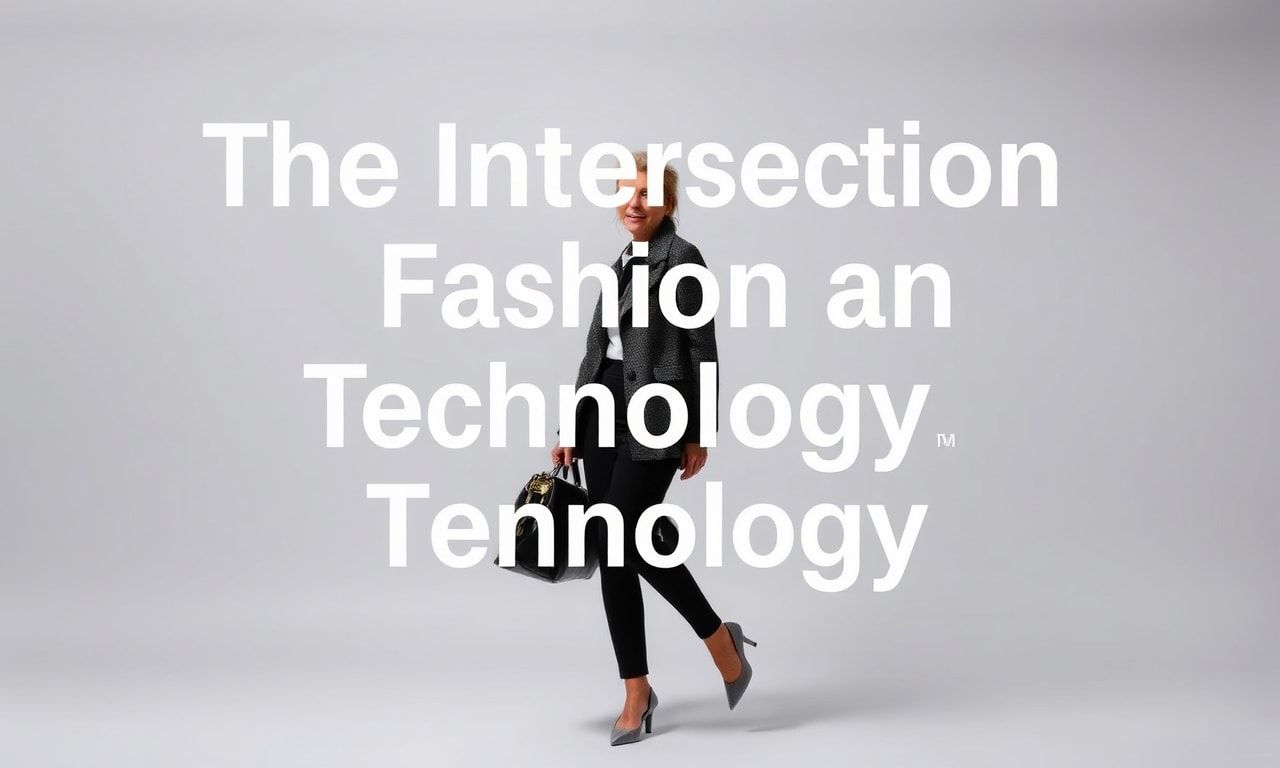
The Evolution of Fashion in the Digital Age
The fashion industry has always been at the forefront of innovation, constantly evolving to incorporate new technologies and trends. In recent years, the digital revolution has significantly impacted the way we perceive and consume fashion. From virtual fashion shows to AI-driven design, technology is reshaping the industry in unprecedented ways. This article explores the fascinating intersection of fashion and technology, highlighting how digital advancements are influencing style trends, beauty standards, and consumer behavior.
The Rise of Digital Fashion Shows
Traditional fashion shows have long been the pinnacle of the industry, showcasing the latest collections to a live audience. However, the advent of digital fashion shows has democratized access to these events, allowing fashion enthusiasts worldwide to participate virtually. Brands like Gucci and Louis Vuitton have embraced this trend, hosting virtual runway shows that combine cutting-edge technology with stunning visual effects. These digital events not only reduce the environmental impact of physical shows but also offer a unique and immersive experience for viewers.
Moreover, digital fashion shows have opened up new avenues for creativity. Designers can experiment with virtual models, 3D rendering, and augmented reality (AR) to create captivating presentations. This fusion of technology and fashion has led to the emergence of new artistic expressions, pushing the boundaries of traditional design.
The Role of Social Media in Shaping Fashion Trends
Social media platforms have become powerful tools for shaping fashion trends and influencing consumer behavior. Instagram, TikTok, and Pinterest have revolutionized the way we discover and share style inspiration. Influencers and fashion bloggers play a crucial role in promoting new trends, making them accessible to a global audience. The viral nature of these platforms allows trends to spread rapidly, often leading to the rise of micro-trends that dominate the fashion landscape for a short period.
Brands are leveraging social media to engage with their audiences more effectively. Through interactive content, live streams, and user-generated campaigns, they can create a sense of community and foster brand loyalty. The integration of social media analytics tools enables brands to gain valuable insights into consumer preferences, allowing them to tailor their collections to meet market demands.
AI and Machine Learning in Fashion Design
Artificial intelligence (AI) and machine learning are transforming the fashion industry by streamlining design processes and enhancing creativity. AI-powered tools can analyze vast amounts of data to identify emerging trends, predict consumer preferences, and optimize inventory management. Designers can use AI algorithms to generate new patterns, colors, and styles, accelerating the design process and reducing costs.
Machine learning algorithms can also personalize the shopping experience by analyzing customer data and providing tailored recommendations. This level of customization enhances customer satisfaction and increases the likelihood of repeat purchases. Additionally, AI-driven virtual stylists can offer personalized fashion advice, helping consumers make informed decisions about their wardrobe.
The Impact of Cryptocurrency on Fashion
The fashion industry is not immune to the influence of cryptocurrency and blockchain technology. The rise of digital currencies has led to the emergence of new business models and investment opportunities within the fashion sector. For instance, some brands are exploring the use of blockchain to ensure the authenticity and traceability of their products, combating counterfeiting and enhancing consumer trust.
Cryptocurrency has also paved the way for innovative collaborations between fashion brands and tech companies. For example, some designers are creating limited-edition collections that can be purchased using cryptocurrencies, attracting a tech-savvy and affluent clientele. Additionally, the concept of non-fungible tokens (NFTs) has gained traction in the fashion world, allowing designers to sell digital art and virtual fashion items as unique collectibles.
For those interested in the intersection of technology and finance, exploring Krypto Mining Pool Vergleich can provide valuable insights into the world of cryptocurrency mining and its potential applications in various industries, including fashion.
The Future of Fashion: Sustainable and Tech-Driven
As we look to the future, the fashion industry is poised to become more sustainable and tech-driven. The integration of advanced technologies such as AI, AR, and blockchain will continue to revolutionize the way we design, produce, and consume fashion. Sustainable practices, driven by technological innovations, will play a crucial role in reducing the environmental impact of the industry.
In conclusion, the fusion of fashion and technology is reshaping the industry in profound ways. From digital fashion shows to AI-driven design, technology is enhancing creativity, improving efficiency, and fostering sustainability. As we embrace these advancements, the fashion world will continue to evolve, offering new and exciting opportunities for designers, brands, and consumers alike.
As we step into a new era of style, discover what’s in store with our latest feature on spring’s freshest fashion trends.
As the world of finance evolves, so do the ways we invest in our future—and our wardrobe. Discover how cryptocurrency is reshaping mainstream finance in a new financial era, offering fresh opportunities to fund your next fashion venture.
As fashion and finance continue to intertwine, discover how the evolving landscape of digital currency meets classic banking could influence your spending habits and investment portfolios.