
The Rise of Wellness in Fashion
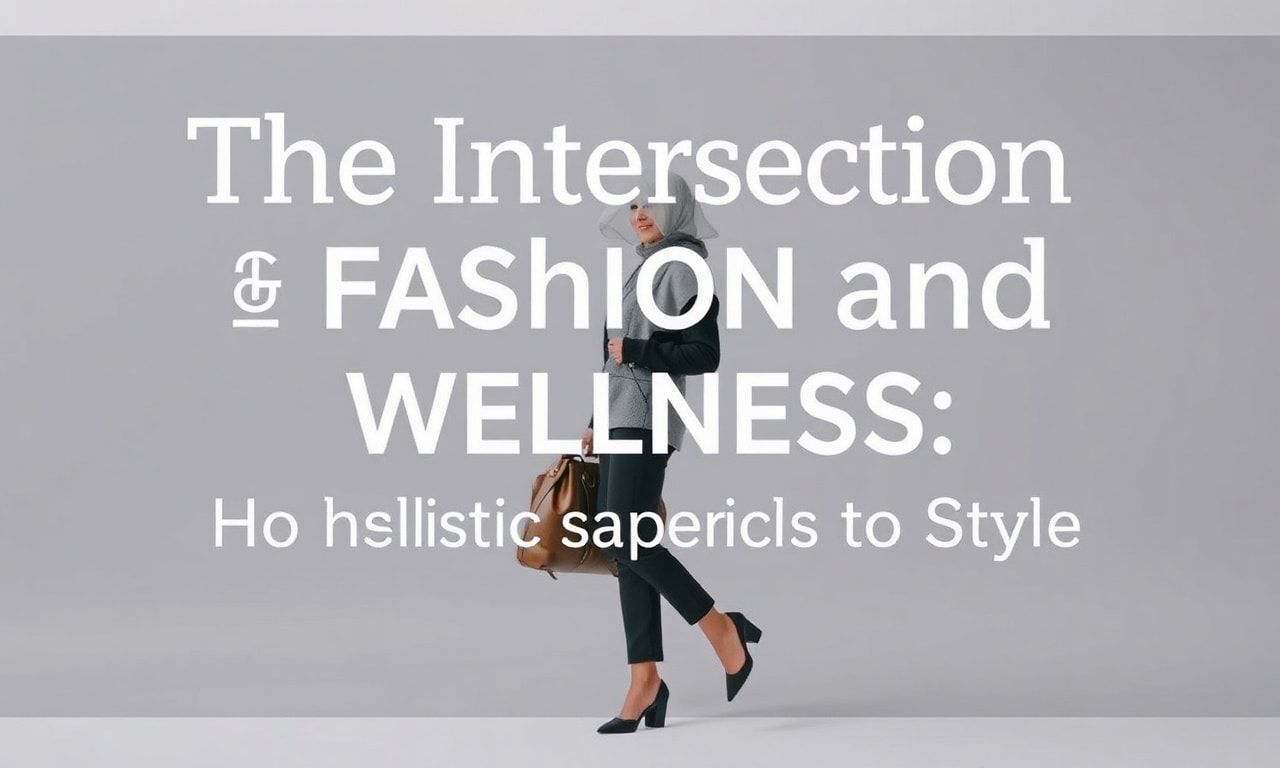
The fashion industry is undergoing a transformative shift, with wellness taking center stage. No longer confined to the realms of spas and retreats, wellness has seamlessly integrated into our wardrobes, influencing everything from fabric choices to design aesthetics. This holistic approach to style emphasizes the importance of feeling as good as you look, creating a harmonious balance between fashion and well-being.
Mindful Fabric Choices
One of the most significant changes in the fashion industry is the increased focus on natural and sustainable fabrics. Materials like organic cotton, linen, and hemp are not only eco-friendly but also gentle on the skin. These fabrics allow the skin to breathe, reducing irritation and promoting overall skin health. Additionally, they are often produced using doğal tedavi yöntemleri bitkisel methods, ensuring they are free from harmful chemicals and pesticides.
The Benefits of Natural Fabrics
Natural fabrics offer numerous benefits that contribute to both personal and environmental well-being. They are biodegradable, reducing the environmental impact of the fashion industry. Moreover, they are hypoallergenic, making them ideal for individuals with sensitive skin. By choosing natural fabrics, you are not only making a fashion statement but also a commitment to sustainability and personal health.
Color Therapy and Emotional Well-being
Colors have a profound impact on our emotions and well-being. The fashion industry is leveraging this knowledge to create collections that promote emotional wellness. For instance, pastel shades are known for their calming effects, while vibrant colors can boost mood and energy levels. Understanding the psychology of colors can help you curate a wardrobe that not only complements your style but also enhances your emotional state.
Seasonal Color Trends
Each season brings a new palette of colors that reflect the mood and energy of the time. Spring collections often feature fresh, light colors that evoke feelings of renewal and growth. In contrast, autumn and winter collections may include deeper, warmer hues that provide a sense of comfort and security. By incorporating these seasonal trends into your wardrobe, you can align your style with the natural rhythms of the year, promoting a sense of harmony and balance.
Comfort and Functionality
Gone are the days when fashion was synonymous with discomfort. Today’s fashion trends prioritize comfort and functionality without compromising on style. Designers are creating pieces that are not only aesthetically pleasing but also practical for everyday wear. From stretch fabrics to ergonomic designs, the focus is on creating clothing that moves with you, enhancing your overall well-being and confidence.
The Role of Athleisure
Athleisure has become a staple in modern wardrobes, blending the comfort of athletic wear with the style of everyday clothing. This trend reflects a broader cultural shift towards prioritizing health and wellness. Athleisure pieces are designed to support an active lifestyle, whether you’re heading to the gym or running errands. By incorporating athleisure into your wardrobe, you can maintain a sense of comfort and style throughout your day.
Sustainable Fashion: A Commitment to Wellness
Sustainable fashion is more than just a trend; it’s a commitment to the well-being of the planet and its inhabitants. By choosing sustainable brands, you are supporting ethical practices that prioritize the health of workers, animals, and the environment. Sustainable fashion often involves the use of natural and organic materials, reducing the exposure to harmful chemicals and promoting a healthier lifestyle.
Ethical Fashion Brands to Watch
Several brands are leading the way in sustainable and ethical fashion. These brands prioritize transparency, fair labor practices, and eco-friendly materials. By supporting these brands, you are contributing to a healthier, more sustainable fashion industry. Some notable brands include Patagonia, Reformation, and Eileen Fisher, each known for their commitment to ethical and sustainable practices.
Conclusion
The intersection of fashion and wellness represents a holistic approach to style that prioritizes both personal and environmental well-being. By making mindful fabric choices, understanding the psychology of colors, prioritizing comfort and functionality, and supporting sustainable fashion, you can create a wardrobe that not only looks good but also feels good. This holistic approach to style is not just a trend; it’s a lifestyle that promotes a healthier, happier you.