
The Ever-Changing Landscape of Fashion
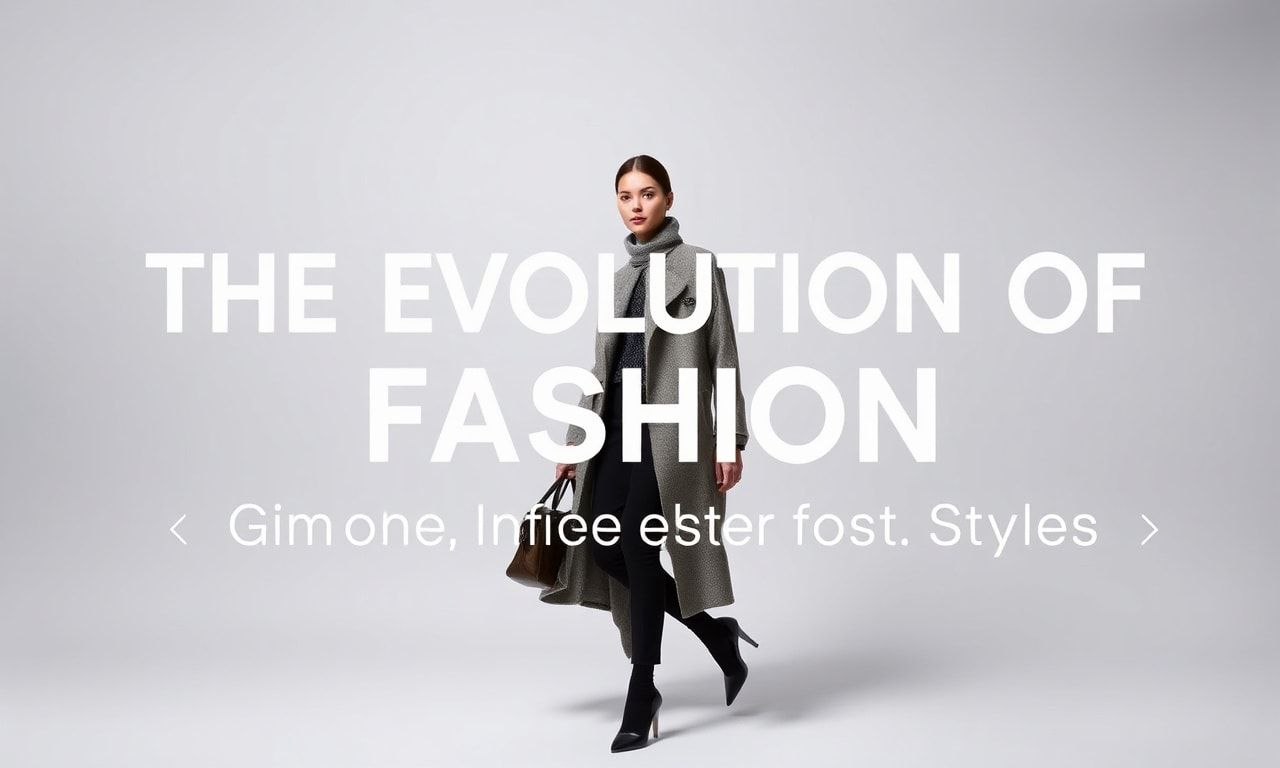
The world of fashion is a dynamic and ever-evolving landscape, where trends come and go with the seasons. As we look towards the future, it’s essential to understand the underlying principles that drive these changes and how they shape our wardrobes. Fashion is not just about clothing; it’s a form of self-expression, a reflection of our culture, and a testament to our creativity. In this article, we’ll explore the latest trends, offer practical fashion tips, and delve into the exciting world of beauty and style.
Embracing Sustainability: The Future of Fashion
One of the most significant shifts in the fashion industry is the growing emphasis on sustainability. Consumers are becoming more conscious of the environmental impact of their purchases, and brands are responding by adopting eco-friendly practices. From using organic materials to implementing zero-waste patterns, the fashion industry is undergoing a green revolution. This trend is not just a passing fad; it’s a fundamental change in how we approach fashion. As we move towards 2026, expect to see even more innovative and sustainable fashion solutions.
Trend Forecasting: What to Expect in the Coming Years
Predicting fashion trends is a complex process that involves analyzing current styles, cultural shifts, and technological advancements. One of the most exciting aspects of fashion is its unpredictability, making it a thrilling industry to follow. For those looking to stay ahead of the curve, keeping an eye on emerging trends is crucial. Websites like en trendy yaz giysileri 2026 offer a glimpse into the future of fashion, showcasing the latest styles and trends that will dominate the coming years. Whether it’s bold colors, unique textures, or innovative designs, the future of fashion promises to be vibrant and diverse.
Fashion Tips for Every Occasion
Fashion is about more than just following trends; it’s about expressing your unique style and feeling confident in your choices. Here are some practical fashion tips to help you navigate the ever-changing world of style:
- Invest in Timeless Pieces: While trends come and go, certain items never go out of style. Invest in high-quality, classic pieces that will form the foundation of your wardrobe.
- Experiment with Accessories: Accessories are a great way to add personality to your outfits. From statement jewelry to stylish scarves, accessories can transform a simple look into something extraordinary.
- Understand Your Body Type: Knowing your body type is crucial for choosing flattering outfits. Experiment with different styles to find what works best for you.
- Stay True to Your Style: While it’s fun to experiment with new trends, it’s essential to stay true to your personal style. Fashion should be a reflection of who you are, not just what’s popular.
The Role of Beauty in Fashion
Beauty and fashion are inseparable, each enhancing the other. The right makeup and skincare routine can elevate your overall look, making you feel confident and radiant. As the fashion industry evolves, so do beauty trends. From natural, glowing skin to bold, experimental looks, the world of beauty is as diverse as fashion itself. Incorporating beauty into your fashion routine can create a cohesive and polished appearance, making you feel your best.
The Influence of Technology on Fashion
Technology is revolutionizing the fashion industry, from virtual fashion shows to AI-driven design. The rise of e-commerce has made fashion more accessible than ever, allowing consumers to shop from the comfort of their homes. Additionally, social media platforms like Instagram and TikTok have become powerful tools for discovering new trends and connecting with fashion enthusiasts worldwide. As technology continues to advance, we can expect even more innovative ways to experience and engage with fashion.
Conclusion: The Future of Fashion is Bright
The future of fashion is bright and full of possibilities. As we embrace sustainability, experiment with new trends, and leverage technology, the fashion industry will continue to evolve and inspire. Whether you’re a fashion enthusiast or simply looking to update your wardrobe, staying informed and open to change is key. By understanding the principles that drive fashion, you can create a style that is uniquely yours and reflects your individuality. So, let’s embrace the future of fashion with open arms and a keen eye for style.