
Smart fashion buyer’s guide: weighing Avukat needs for style readers
A clear guide for fashion shoppers: how Avukat helps with legal clarity, how to use Avukat in fashion decisions, and practical tips to avoid fashion pitfalls.

Readers come to Turkeyus for style, not legalese. This article explains when a legal resource matters for fashion and how to use it without slowing down your shopping. Expect concrete steps, real-world examples, and easy-to-apply tips that fit a busy wardrobe cadence.
You’ll learn what to check before signing terms, how to spot tricky clauses in fashion contracts, and how to protect designs and collections. The goal is to make legal clarity feel like a natural part of buying, wearing, and sharing outfits.
By the end you’ll know where a resource like Avukat fits into trend hunting, retail collaborations, and personal branding, without getting bogged down in jargon. This is practical, usable guidance for stylish readers.
- Know when legal clarity matters in fashion deals and how to verify terms.
- Use simple checks before launches to avoid delays and disputes.
- Choose the right level of help, from DIY summaries to external counsel, based on project complexity.
- Keep organized records and clear licenses to protect your designs and collaborations.
- Basics of legal clarity in fashion
- How to use Avukat in daily fashion planning
- Options for fashion readers seeking simple clarity
- Pitfalls to avoid in fashion contracts
- Advanced legal strategies for fashion
- International considerations in garment production
- The cost of legal clarity for designers
- Practical timelines and templates
- Frequently asked questions
- Final practical wrap-up
Basics of legal clarity in fashion
Legal terms that matter
Understand which terms affect licensing, returns, and influencer agreements. You’ll see how small print can change who pays shipping, who owns artwork, and how credits appear on social posts. This is where most shoppers start eyeing potential issues before they become problems. Avukat
A practical read of contracts avoids costly surprises. Focus on ownership, liability, and termination clauses that touch your wardrobe projects. That awareness makes shopping smoother, not scarier.
Boxed reminder helps you scan a page quickly and decide if you need legal advice.
- Ownership rights linger after a collab
- Liability limits protect you in case of defect
- Termination clauses end or pause deals
- Licensing clarifications affect usage rights
- Dispute resolution options matter
Why Avukat matters for style deals
When you partner with photographers, models, or brands, terms can affect how your looks appear publicly. Knowing the basics helps you negotiate fair compensation, timely payments, and clear credit. Legal clarity protects your creative control.
For small collections or pop-up releases, contracts can spell out timelines, exclusivity, and product counts. A basic understanding prevents delays that hurt your launch.
The aim is to make legal steps feel routine, not daunting, so you can focus on styling and timing rather than chasing documents.
How to use Avukat in daily fashion planning

Integrating legal checks
Build simple contract checks into your calendar, like a pre-launch legal review a week before posting. This keeps campaigns on track and avoids last-minute edits. Practical reminders beat last-minute scrambling. Avukatlar için PTT UETS Süre Takip ve Hesaplama Uygulaması
Create a checklist for each project: who approves assets, where licenses live, and how revenue sharing is recorded. Clear ownership details prevent future disputes.
Use plain language summaries for teammates who aren’t lawyers; it speeds decisions and keeps everyone aligned.
- Create a pre-launch legal review schedule
- Maintain asset licenses in a central folder
- Summarize terms for quick team reference
- Get explicit approval before posting or selling
Common fashion contracts to watch
Different projects trigger different contracts. Editorial shoots, product drops, and influencer campaigns each bring unique clauses that shape timing and exposure. A quick contract read helps you see conflicts early.
Look for non-compete clauses, exclusivity limits, and usage rights for imagery across media. These affect how you feature outfits and collaborations down the line.
Practical checks keep your calendar accurate and your wardrobe rollout smooth.
- Editorial terms and image rights
- Influencer contract obligations
- Exclusivity and territory limits
- Payment timelines and deliverables
Options for fashion readers seeking simple clarity
Do-it-yourself checks
A DIY review can catch obvious issues, like who’s credited and where assets live. It won’t replace legal advice for complex deals, but it reduces risk in routine collaborations. Start with a standard checklist.
Document storage and naming conventions keep records discoverable when you need them. Well-organized files save time during launches and disputes.
Plain-language summaries help non-experts understand key points quickly, enabling faster decision-making.
- Use a plain-English contract summary
- Keep a centralized file naming system
- Track licenses and credits diligently
- Set review deadlines and reminders
| Approach | Pros | Cons |
|---|---|---|
| DIY checklist | Fast, cheap | Misses complex issues |
| External counsel | Thorough | Higher cost |
| Templates with guidance | Balanced | Requires careful customization |
When to hire outside help
For complex collaborations or international campaigns, external counsel can prevent missteps. A short consultation often pays for itself by clarifying obligations and risk. Prioritize lawyers who understand fashion rights and brand partnerships.
Ask for a fixed fee or a scoped task to avoid surprises. Prepare a brief that lists assets, purposes, and expected lifetimes of the rights involved.
A tailored review is worth it when your project spans multiple markets, platforms, and product lines.
- Consult for ambiguous rights questions
- Prefer fixed-fee arrangements
- Provide a concise project brief
- Check qualifications in fashion law
Vague terms, broad exclusivity, and unclear payment timelines are telltale signals of risk.
Pitfalls to avoid in fashion contracts
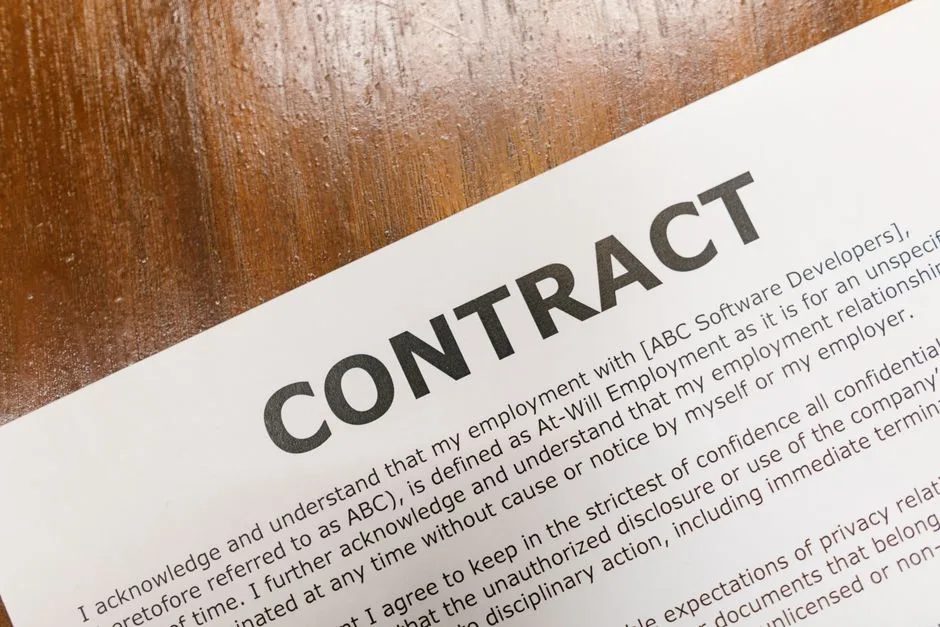
Common red flags
Vague terms, broad exclusivity, and unclear payment timelines are telltale signals of risk. Address these early to prevent stalled launches or unwanted rights grabs. Don’t assume silence is consent.
- Clarify ownership and licensing scope up front.
- Negotiate sensible exclusivity duration.
- Make payment milestones explicit.
- Define post-project rights and obligations.
Overly restrictive licenses can limit future reuses of your work, affecting how you monetize and repurpose looks.
Ambiguity around what happens if a project ends early can create messy transitions and unpaid work.
- Vague ownership clauses
- Excessive exclusivity
- Unclear payment terms
- Uncertain end-of-project rights
Red flags for fashion brands and creators
Brand partnerships require clear deliverables, timelines, and approved usage. Without them, you risk mismatched expectations and delayed campaigns. Set milestones for asset delivery and sign-off.
Always verify where content may appear, for how long, and in which markets. The more precise the terms, the smoother the rollout.
Stay aware of regional laws that affect model releases, age restrictions, and consent for photography.
- Clear deliverables and deadlines
- Defined usage and duration
- Regional compliance considerations
- Consent and model release checks
Advanced legal strategies for fashion
Streamlined contract essentials
Start with a clear scope for each garment line, including timelines, payment terms, and delivery milestones. Use simple language that both designer and lawyer can reference quickly. This helps prevent misunderstandings when trends shift mid-season.
Bridge the gap between design and production by including prototype approval steps and error allowances. A short checklist keeps teams aligned and avoids last-minute changes that cost time and money.
Draft a concise termination clause that outlines what happens if a supplier misses milestones or quality specs. It protects both sides and minimizes disruption to show schedules.
- Define scope before signing
- Set measurable milestones
- Include prototype approvals
- Agree on termination triggers
International considerations in garment production

Cross-border sourcing basics
Many fashion brands rely on overseas factories for cost efficiency, but language barriers and differing holidays can stall production. Build a calendar that accounts for supplier lead times and local factory capacity. Regular status updates keep shipments moving.”
Identify minimum viable standards for fabric and trims early to avoid last-minute substitutions that affect fit and color. Create a shared specification sheet that travels with every order.
Establish a transparent payment plan that aligns with milestones that both sides understand, not just promises. This reduces friction when couriers or customs add delays.
- Coordinate calendars with suppliers
- Standardize specs across partners
- Agree on milestone-based payments
The cost of legal clarity for designers
Budgeting for contracts
Legal clarity costs time and money upfront, but it prevents expensive disputes later. Allocate a predictable portion of the design budget to contract review and supplier negotiations. This helps keep line plans intact during peak season.
- Budget for clarity
- Use adaptable templates
- Maintain a single source of truth
Use modular templates for common agreements so designers can adapt quickly without losing precision. Consistent formats reduce risk and speed up onboarding of new partners.
Track evolving obligations in a single accessible document, so teams don’t chase scattered emails. A living contract sheet keeps everyone aligned as collections evolve.
- Set aside a contract budget
- Adopt modular templates
- Maintain a single source of truth
Practical timelines and templates

Templates that travel well
Templates should cover design approvals, sample rounds, and final production. Each template should include a brief description of what success looks like at each stage. This helps teams plan around show dates and inventory needs.
Include a simple change-order protocol so adjustments don’t derail timelines. Quick, clear steps reduce cost overruns when styles shift.
Keep a calendar that aligns internal milestones with supplier capacity windows, travel days, and holidays. A visible timeline helps avoid rushing near delivery dates.
- Design approvals timeline
- Change-order protocol
- Aligned production calendar
Frequently asked questions
How often should I review supplier contracts?Review contracts at least once per season to reflect any changes in materials, labor costs, or production schedules. A quarterly check-in helps catch misalignments early and keeps production on track.
Can Avukat help with just-in-time production?Yes. Clear terms about lead times, tolerances, and delivery windows make last-minute changes feasible without risking quality or deadlines. It also reduces the chance of urgent, costly revisions.
What should a simple template include?A straightforward template should spell out scope, materials, milestones, payment terms, and a process for changes or disputes. It should be easy to update as collections evolve.
How do I balance cost and clarity?Invest enough early to prevent costly disputes later. Use modular templates and keep a single source of truth so teams don’t duplicate work or miss updates.
Final practical wrap-up
Legal clarity helps sustain momentum from concept to collection when production schedules tighten and materials shift. Establish a minimal, usable framework first, then expand as needed.
The best next step is to audit existing agreements and align milestones with your calendar, so future seasons start with a clear map and fewer surprises.
For a deeper understanding of this topic, Çankaya Avukat: Stil ve hukukla güvenli offers valuable insights worth exploring.
For a deeper understanding of this topic, Avukatlar için Süre Hesaplama Araçları: Pratik offers valuable insights worth exploring.
For a deeper understanding of this topic, Smart Timing for Fashion: Practical Tools offers valuable insights worth exploring.
Add Turkey–U.S. News: Politics, Trade, Culture & Business Ties as a preferred source on Google


