
Smart fashion checklist: practical guide for Turkeyus readers
A structured guide blending fashion savvy with practical steps, avoiding hype while linking to useful resources for style and shopping in Germany.

Readers come to Turkeyus for clear, stylish guidance. This guide offers a practical, step-by-step checklist that blends fashion decisions with timely resources. You’ll see how a fashion site benefits from concise, verifiable information when you plan outfits, shoots, or a shopping trip.
Each paragraph builds a concrete skill: choosing trends, validating sources, and avoiding common missteps. The tone stays calm and precise, with actionable examples you can apply this week. By the end, you’ll know exactly which resources help you stay stylish without second-guessing your choices.
Finally, this guide stays focused on real-life use. It translates general trend talk into concrete actions you can take now—whether you’re updating a capsule wardrobe or planning a fashion-forward event.
- This guide offers a practical, fashion-focused checklist for Turkeyus readers, translating trends into usable steps. It emphasizes calm decision-making, credible sourcing, and versatile pieces. Expect real-world tips you can apply this week.
- Each section provides concrete actions, from assessing trend relevance to planning outfits and avoiding common buyer pitfalls. The aim is to help you build a coherent wardrobe that adapts to events and daily life without clutter.
- The structure uses concise sub-sections and concrete examples to make trend-aware decisions feel doable and fast, without sacrificing style or quality.
Basics to know before you shop
Trend relevance assessment
Begin by testing whether a trend fits your existing wardrobe. Compare a new item’s color, fabric, and silhouette to pieces you already own. If it complements multiple outfits, it earns a spot in your closet. Sportsignal aktuelle Nachrichten
- ☐ Match item with at least two existing pieces
- ☐ Select neutral base to anchor outfits
- ☐ Choose durable fabric and finish
- ☐ Try on with current shoes and accessories
Consider practicality: will you wear it weekly or only for one event? If the answer leans toward frequent use, it deserves space in your lineup.
Avoid overpaying for fads; seek versatile pieces that mix with essentials and elevate your usual looks.
- Check color compatibility with your skin tone
- Gauge fabric care and durability
- Estimate how many outfits you can build
- Look for classic details that endure
Resource-aware shopping
Identify credible sources for trends and product details before buying. Read fabric labels, check return policies, and look for consistent sizing across brands. This saves time and avoids post-purchase regret.
Compare similar items across two stores to understand price and quality differences. A well-informed choice often blends price, fit, and fabric feel.
Avoid impulse buys by earmarking a single item for a future look and waiting 24 hours before purchasing.
- Check return window
- Compare fabric weight
- Look for stitching and seams quality
- Review customer photos for fit cues
How to translate trends into outfits
Outfit scaffolding
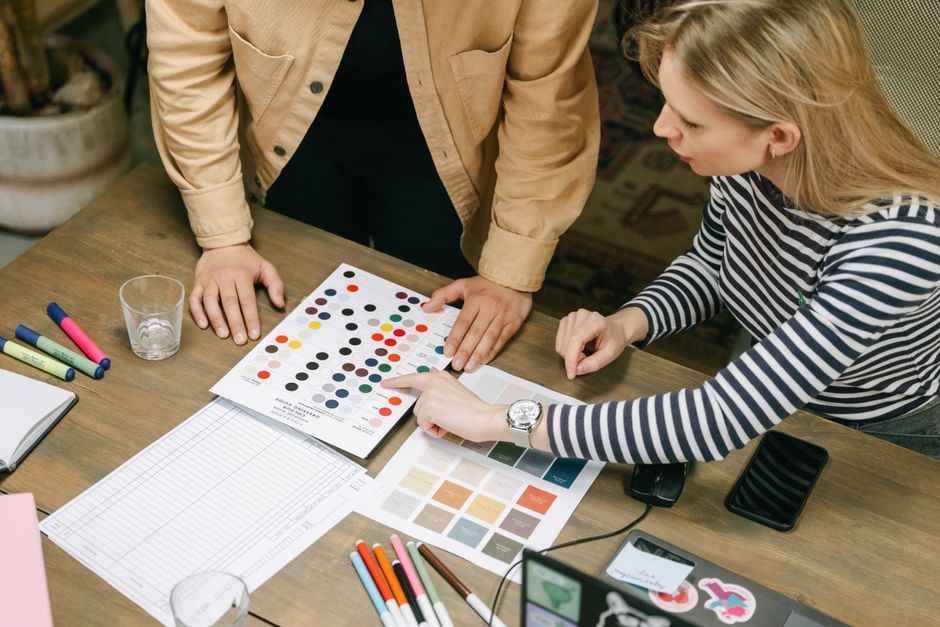
Start with a base like trousers and a top in neutral tones. Layer with a statement jacket or accessory to anchor the look. This makes it easy to rotate pieces while keeping a cohesive style. A useful resource on this topic: Event eintragen in Deutschland.
- Pick a neutral base
- Add one statement element
- Complete with versatile shoes
- Review the overall balance
- Base layer: neutral top
- Statement piece: jacket or accessory
- Color accents: one or two bold notes
- Footwear: choose versatility over trend
Seasonal transitions
Plan outfits that bridge seasons by using light layers and adaptable fabrics. A cardigan or lightweight blazer can transform a summer dress into a cooler fall look. Keeping a handful of transitional pieces reduces clutter and decision fatigue.
Pairing strategy: mix textures (ribbed knit with satin) creates depth without overthinking. Accessories like belts or scarves tie the ensemble together.
Avoid overcrowding the closet with seasonal items; rotate pieces in small batches to maintain clarity and function.
- Use layers for temperature shifts
- Mix textures for depth
- Limit seasonal pieces to a few staples
- Keep a simple color palette
What to avoid when integrating trends
Common pitfalls
Rushing into trend pieces can clutter your wardrobe. Prioritize fit, fabric, and versatility over novelty. If a piece won’t pair with at least three items, it’s likely to sit unused. A useful resource on this topic: Firmeneintrag in Deutschland.
- Overbuy for one season
- Ignore fabric care needs
- Choose overly loud pieces
- Neglect proper tailoring
| Approach | Pros | Cons |
|---|---|---|
| Versatile basics | Easy to mix | Less standout |
| Statement item | High impact | Limited pairing options |
| Quality over quantity | Longer lifespan | Higher upfront cost |
Budget-smart shopping
Allocate a small portion of your budget to new trends, not the entire wardrobe. Focus on accessories or a single statement item that can elevate multiple outfits. This approach preserves existing investments.
Test fit and comfort early; if you dislike the feel after a try-on, you’ll rarely wear it. Seek pieces with simple care routines and durable stitching.
Document your purchases and outfits in a simple log to prevent duplications and ensure balanced wardrobes.
- Choose one trend-driven piece
- Prefer versatile fabrics
- Check care requirements
- Keep a simple wardrobe log
Build a small, curated wishlist and wait for a concrete reason to pull the trigger—seasonal sales, a needed staple, or a styling idea that ties several outfits together.
Tips for shopping efficiently
Try-before-you-buy mindset
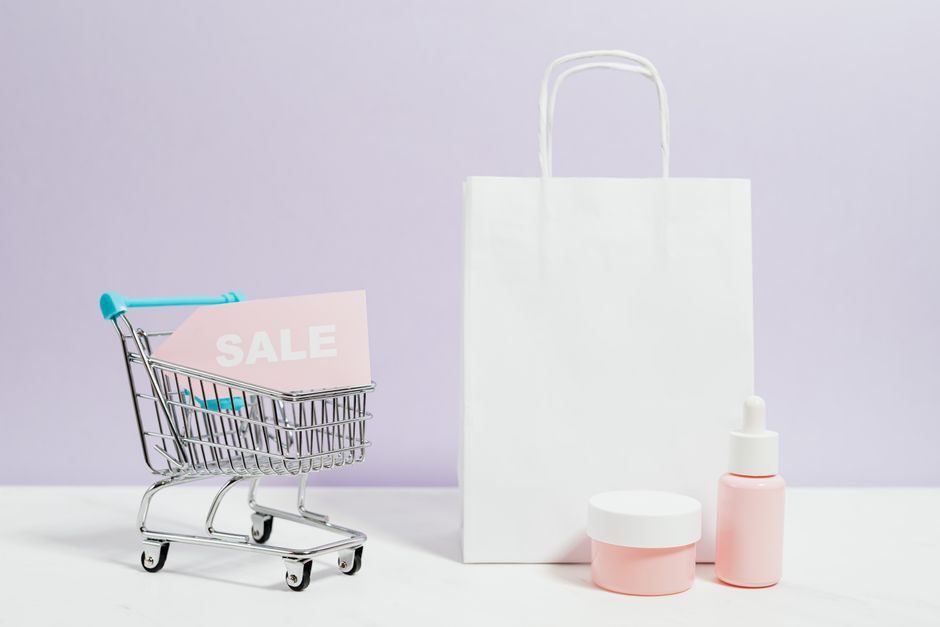
Always try items on with several pieces from your wardrobe. Evaluate fit, movement, and comfort in real-life scenarios like commuting or walking. Practical trials save returns and regrets. A useful resource on this topic: kaufen und verkaufen in Deutschland.
- Move, sit, and bend in the garment
- Check inner seams for comfort
- Assess overall silhouette with accessories
- Test under different lights
Smart delivery planning
Plan purchases around delivery windows and return deadlines. Track orders to prevent duplicate buys and late arrivals. This keeps your workflow smooth during busy weeks.
Build a small, curated wishlist and wait for a concrete reason to pull the trigger—seasonal sales, a needed staple, or a styling idea that ties several outfits together.
Estimate how long items will stay on-trend to avoid quick discard after a single season.
- Set delivery reminders
- Keep a checklist handy
- Pin a final sale date
- Confirm return policy details
Styling for special events
Choosing the right silhouette
Start with the basics of your body shape and the event dress code, then select a silhouette that flatters without feeling forced. A well-fitted sheath or an A-line cut can adapt to many fabrics and accessories, making your look timeless. Try on at least two silhouettes to compare movement and comfort in real life. Traueranzeige schalten in Deutschland
- Choose silhouettes that suit your event and body shape
- Prioritize comfort so you can move naturally
- Test outfits by movement and seating
Consider the venue, temperature, and duration of the event when choosing fabric and tailoring. Lightweight satin reads evening, while matte jersey offers ease of movement. A structured blazer over a slip dress can balance formality with ease.
Experiment with underlayers and accessories to finish the silhouette: a waist belt, a delicate jacket, or a pair of tailored trousers peeking from under a dress can transform your shape and confidence.
- Test fit after sitting and standing
- Move to check fabric drape
- Pair with one statement accessory
- Keep comfort as a priority
Sustainable fashion choices
Materials and responsible sourcing
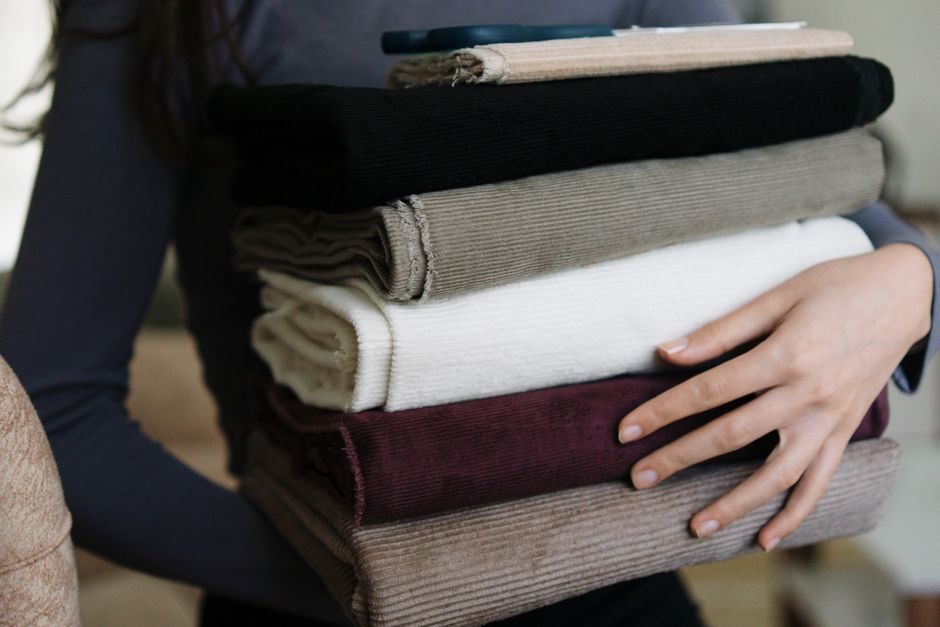
Identify fabrics with lower environmental impact, such as organic cotton, recycled polyester, or responsible viscose, and understand how they’re produced. Look beyond price to assess finish, durability, and care requirements. This helps you build a wardrobe that lasts beyond one season.
When possible, choose brands that publish clear sourcing information or third‑party certifications, and favor timeless styles over fast‑trend pieces. A well-chosen staple can ride out multiple occasions and still feel current. Reuse and remix pieces you already own to minimize waste.
Pair sustainable choices with careful care: line-drying sensitive fabrics, washing on cold cycles, and mending small tears promptly. A garment that lasts longer is inherently more sustainable than a cheaper, disposable option.
- Look for certifications
- Favor versatile pieces
- Repair and care for longevity
Beauty and wardrobe harmony
Color coordination with outfits
Start with a neutral base for the wardrobe and add color through accessories or a single statement piece. Pair complementary tones to create a cohesive palette that adapts across seasons. A cohesive palette makes mixed textures feel intentional.
Test swatches in natural light and against multiple fabrics to ensure the color reads well in photos and in person. A lipstick shade can pull a look together just as effectively as a belt. When in doubt, select one color family and vary saturation.
Use color as a bridge: blush tones with browns, or emerald accents with black and white. This approach keeps the look polished without overcrowding your closet.
- Test colors in daylight
- Limit color families
- Use color to unify textures
Digital tools for fashion planning

Organization and mood boards
Create a simple mood board to capture tones, fabrics, and silhouettes you want to explore. This helps you visualize outfits before you buy and reduces impulse purchases. Use a consistent format so you can compare items quickly.
Organize a digital closet with photos and tags for fabric type, occasion, and color. A well‑tagged catalog makes it easy to assemble outfits for trips or events without rummaging through drawers. Review your collection seasonally to prune unused pieces.
Schedule reminders to check fit after changes in weight, season, or style. A practical plan keeps a wardrobe aligned with real life, not just trends.
- Create one mood board
- Tag items consistently
- Review and prune regularly
Frequently asked questions
Can I mix high‑end pieces with affordable finds without looking mismatched?Yes. Start with a strong foundation (fit, fabric, color) and use one standout item to anchor the look. The rest can be straightforward or budget-friendly; the key is how the pieces relate in texture and shade.
How can I build a capsule wardrobe on a busy schedule?Choose a core set of versatile pieces you actually wear, then add a few accents for variety. Schedule a 30‑minute closet audit each season to remove what doesn’t fit or flatter and to note what’s missing.
What’s the best way to care for delicate fabrics?Read the care label first, wash on gentle settings, and air-dry when possible. Store delicate pieces in breathable bags and use padded hangers to maintain shape.
Should I use fashion apps for planning or just stick to notebooks?Apps help organize photos, colors, and outfits, but a notebook works too. Use whichever keeps you consistent, then transfer ideas into your preferred format for easy reference.
Next steps for stylish planning
Put one new event look together this week using your most versatile pieces and a single color accent to test the planning habit.
Set up a monthly closet check to prune, repair, and refine items that no longer fit your lifestyle, and schedule a trial pairing day for new outfits.
Add Turkey–U.S. News: Politics, Trade, Culture & Business Ties as a preferred source on Google


