
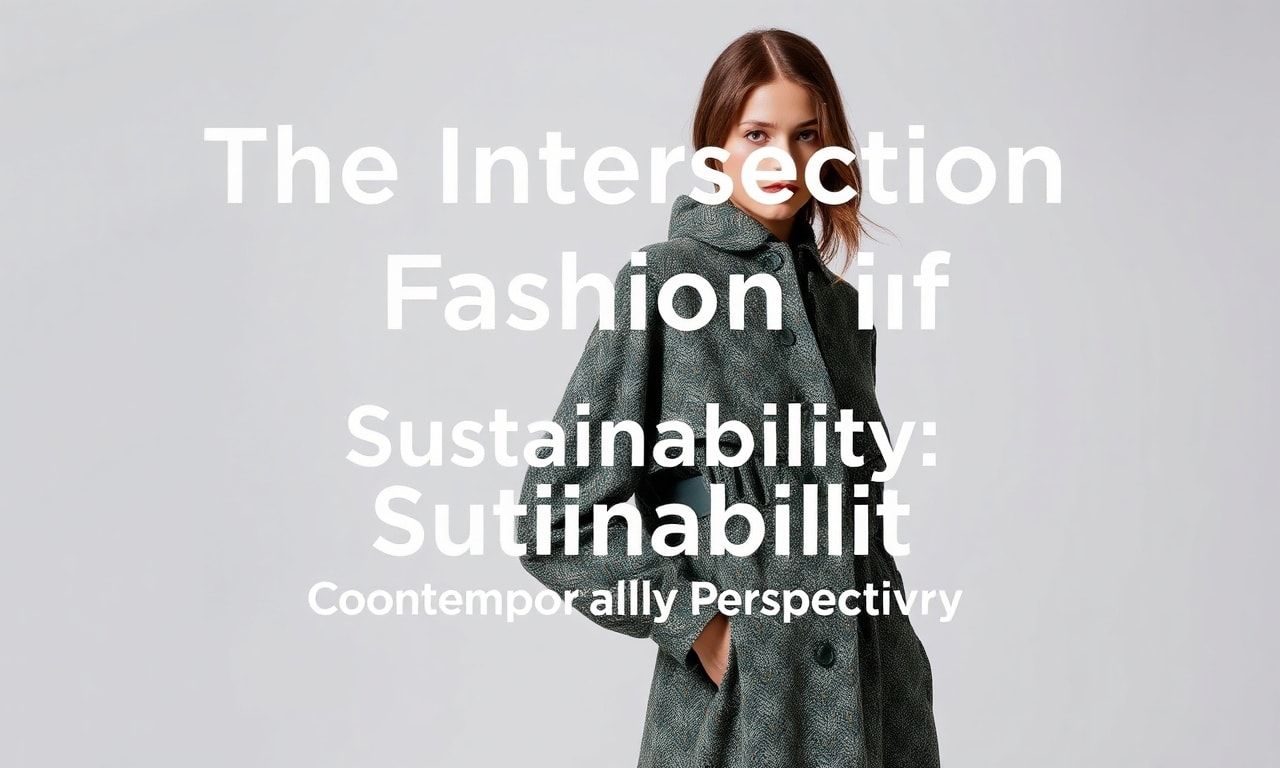
The Rise of Sustainable Fashion
The fashion industry is undergoing a significant transformation, with sustainability taking center stage. Consumers are becoming more conscious of their environmental impact, and this shift is influencing the way we approach style and beauty. Sustainable fashion is no longer a niche trend but a mainstream movement that is reshaping the industry.
From eco-friendly materials to ethical production practices, designers and brands are increasingly adopting sustainable practices. This shift is not only beneficial for the environment but also aligns with the values of a growing number of consumers who prioritize sustainability in their purchasing decisions.
As we navigate this new era of fashion, it’s essential to understand the various aspects of sustainable fashion and how they can be incorporated into our daily lives. This article explores the latest trends, tips for sustainable living, and the role of technology in promoting eco-friendly fashion.
Trends in Sustainable Fashion
One of the most notable trends in sustainable fashion is the use of eco-friendly materials. Designers are increasingly turning to organic cotton, recycled polyester, and innovative materials like pineapple leather and mushroom-based fabrics. These materials not only reduce the environmental impact but also offer unique textures and qualities that enhance the overall design.
Another trend is the rise of slow fashion, which emphasizes quality over quantity. Slow fashion encourages consumers to invest in timeless pieces that are durable and versatile, reducing the need for frequent purchases. This approach not only saves money but also minimizes waste and promotes a more mindful consumption pattern.
Additionally, the fashion industry is witnessing a surge in upcycling and recycling initiatives. Brands are creating new collections from old garments, reducing textile waste and giving new life to old materials. This trend not only promotes sustainability but also fosters creativity and innovation in design.
Sustainable Beauty Trends
The beauty industry is also embracing sustainability, with a focus on clean and cruelty-free products. Consumers are increasingly opting for products that are free from harmful chemicals and not tested on animals. This shift is driving brands to adopt more ethical and transparent practices, ensuring that their products are both safe and environmentally friendly.
Another notable trend in sustainable beauty is the use of minimal and recyclable packaging. Brands are reducing the amount of plastic and other non-recyclable materials in their packaging, opting for eco-friendly alternatives like glass, paper, and biodegradable materials. This not only reduces waste but also enhances the overall aesthetic appeal of the products.
Furthermore, the beauty industry is witnessing a rise in DIY and natural beauty products. Consumers are increasingly turning to homemade remedies and natural ingredients, reducing their reliance on commercial products and minimizing their environmental impact.
Incorporating Sustainability into Your Wardrobe
Incorporating sustainability into your wardrobe is easier than you might think. Start by assessing your current wardrobe and identifying pieces that you no longer wear. Consider donating or selling these items to extend their lifecycle and reduce waste. When shopping for new pieces, opt for sustainable brands that prioritize ethical production and eco-friendly materials.
Another tip is to invest in versatile pieces that can be styled in multiple ways. This not only reduces the need for frequent purchases but also ensures that your wardrobe remains functional and stylish. Additionally, consider renting or swapping clothes with friends to refresh your wardrobe without contributing to fast fashion.
When it comes to beauty, choose products that are cruelty-free and made from natural ingredients. Look for brands that prioritize sustainability in their packaging and production processes. By making these small changes, you can significantly reduce your environmental impact and contribute to a more sustainable future.
The Role of Technology in Sustainable Fashion
Technology is playing a crucial role in promoting sustainable fashion. From innovative materials to smart production processes, technology is helping the industry reduce its environmental impact. For example, 3D printing allows designers to create custom pieces with minimal waste, while AI-powered algorithms optimize production processes to minimize resource consumption.
Additionally, technology is enabling consumers to make more informed decisions. Apps and websites provide information on the sustainability practices of brands, allowing consumers to choose products that align with their values. For instance, if you’re looking for an elektrikli araba şarj istasyonu güncel konumları, you can use similar apps to find eco-friendly fashion options in your area.
Furthermore, technology is facilitating the growth of the circular economy in fashion. Platforms that enable clothing rental, resale, and recycling are reducing waste and promoting a more sustainable consumption pattern. By leveraging technology, the fashion industry can continue to evolve and adapt to the changing needs of consumers.
Conclusion
The intersection of fashion and sustainability is a dynamic and evolving landscape. As consumers become more conscious of their environmental impact, the industry is responding with innovative and sustainable practices. By incorporating eco-friendly materials, adopting slow fashion principles, and leveraging technology, we can create a more sustainable future for fashion.
Whether you’re a fashion enthusiast or a beauty lover, there are numerous ways to contribute to this movement. From choosing sustainable brands to embracing DIY beauty remedies, every small change makes a difference. Together, we can promote a more sustainable and stylish world.