
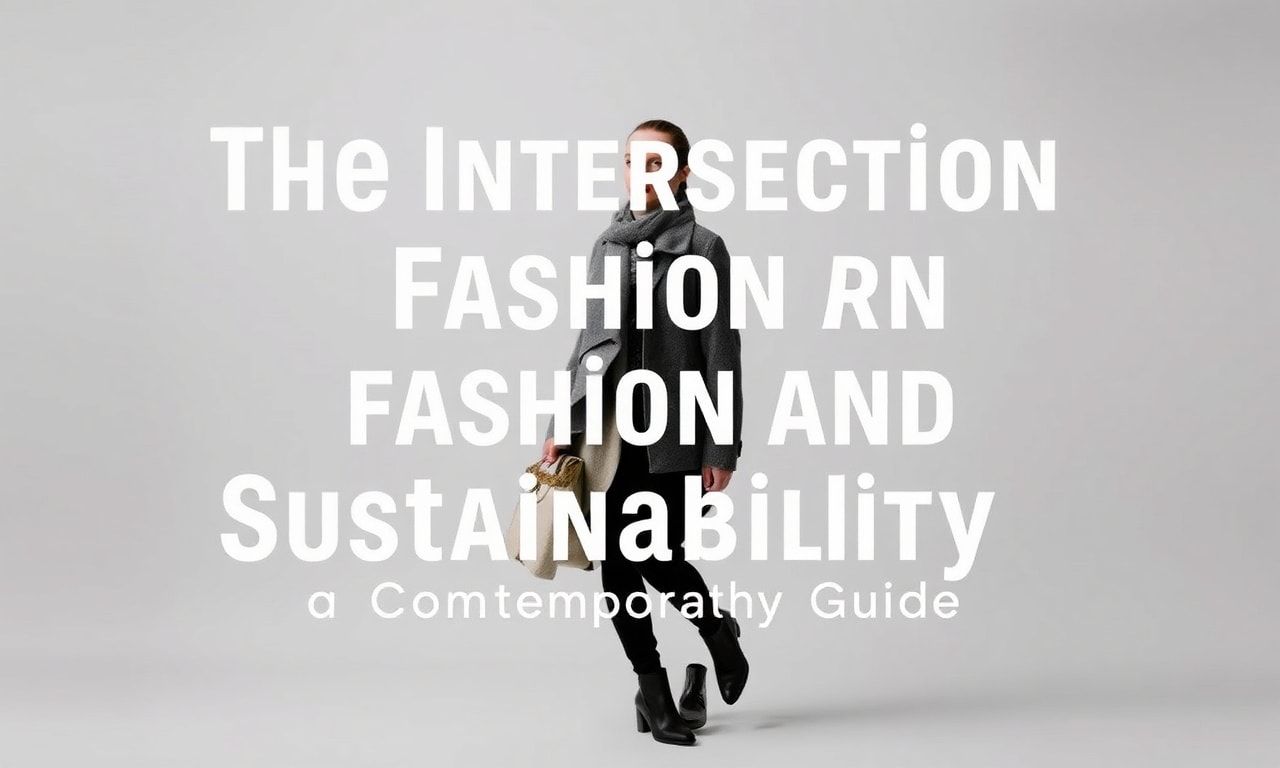
The Rise of Sustainable Fashion
The fashion industry is undergoing a significant transformation, driven by a growing awareness of environmental issues. Sustainable fashion, once a niche market, has now become a mainstream concern. Consumers are increasingly seeking out brands that prioritize eco-friendly practices and ethical sourcing. This shift is not just a trend; it’s a movement towards a more responsible and conscious approach to fashion.
The Impact of Technology on Fashion
Technology has revolutionized the fashion industry in numerous ways. From virtual fashion shows to AI-driven design tools, the integration of technology has opened up new avenues for creativity and efficiency. One of the most exciting developments is the use of virtual reality (VR) and augmented reality (AR) in fashion retail. These technologies allow customers to try on clothes virtually, enhancing the shopping experience and reducing the need for physical samples.
Moreover, the rise of social media platforms has democratized fashion, allowing designers and influencers to reach a global audience. Platforms like Instagram and TikTok have become powerful tools for showcasing new collections and trends. The ability to share and discover fashion instantly has created a more dynamic and interconnected industry.
The Role of Influencers
Influencers play a crucial role in shaping fashion trends. Their ability to connect with audiences on a personal level makes them powerful ambassadors for brands. Collaborations between influencers and fashion houses have become commonplace, leading to unique collections that resonate with younger generations. Influencers also provide valuable insights into consumer preferences, helping brands tailor their offerings to meet market demands.
Seasonal Trends and Timeless Styles
While seasonal trends come and go, timeless styles remain a staple in the fashion world. Understanding the difference between fleeting trends and enduring classics is essential for building a versatile wardrobe. Timeless pieces, such as a well-tailored blazer or a little black dress, can be easily mixed and matched with trendier items to create a balanced look.
For those interested in staying updated with the latest trends, following fashion blogs and magazines can be incredibly helpful. These sources provide in-depth analyses of current styles and offer practical tips on how to incorporate them into everyday wear. Additionally, keeping an eye on runway shows and fashion weeks can give you a sneak peek into what’s coming next.
Sustainable Fashion Tips
Adopting a more sustainable approach to fashion doesn’t mean compromising on style. Here are some tips to help you build a more eco-friendly wardrobe:
- Choose Quality Over Quantity: Invest in high-quality pieces that will last longer, reducing the need for frequent replacements.
- Support Ethical Brands: Look for brands that prioritize fair labor practices and eco-friendly materials.
- Shop Second-Hand: Thrift stores and online platforms offer a treasure trove of unique and affordable fashion finds.
- Care for Your Clothes: Proper care and maintenance can extend the life of your garments, reducing waste.
- Recycle and Donate: When you no longer need an item, consider donating or recycling it to give it a new life.
The Future of Fashion
The future of fashion is bright and full of possibilities. As technology continues to evolve, we can expect even more innovative solutions to emerge. From biodegradable fabrics to AI-driven personal styling, the industry is poised for significant advancements. Additionally, the growing emphasis on sustainability will drive brands to adopt more eco-friendly practices, making fashion a more responsible and ethical industry.
For those interested in staying informed about the latest developments in the fashion industry, resources like tarım sektörü haberleri güncel can provide valuable insights. These platforms offer up-to-date news and analyses, helping you stay ahead of the curve.
Conclusion
The fashion industry is in a state of constant evolution, driven by technological advancements, sustainability concerns, and the influence of social media. By embracing these changes and adopting a more conscious approach to fashion, we can create a more sustainable and stylish future. Whether you’re a fashion enthusiast or a industry professional, staying informed and adaptable is key to thriving in this dynamic landscape.
As we embrace sustainable fashion, let’s also understand its roots by exploring climate change’s farming impact and how it shapes our industry.
Ever wondered how the world of agriculture is influencing digital marketing trends? Discover the unexpected connections in farm-inspired marketing strategies and how they’re shaping the fashion and beauty industry.
Transform your space into a stylish sanctuary with our guide on designing the perfect home theater, blending the latest trends in fashion and design for ultimate relaxation.